
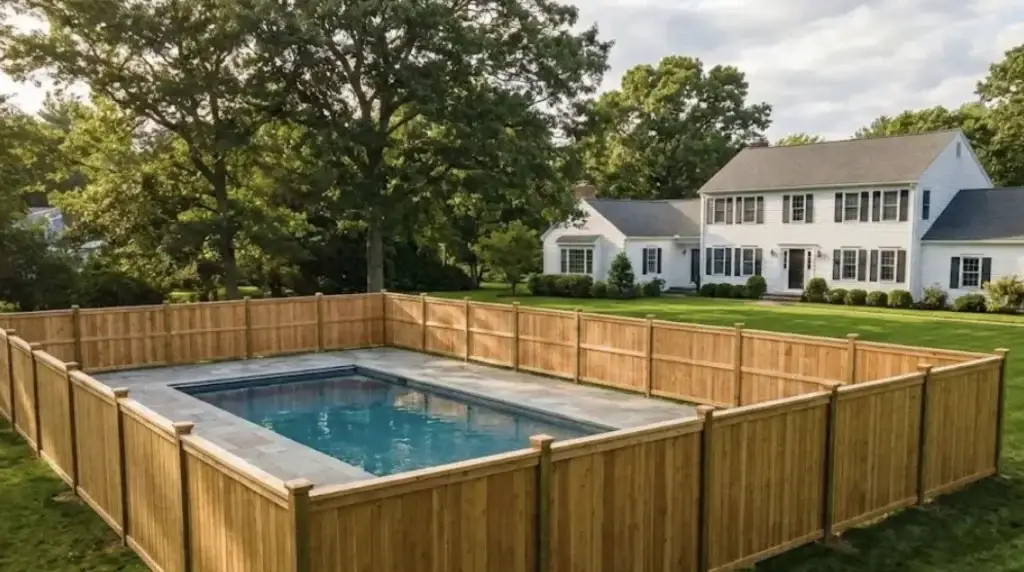
Massachusetts Pool Fence Compliance and Safety Guide
Ensuring the safety of swimming pools is a critical concern for homeowners in Massachusetts. The Massachusetts Pool Fence Code outlines specific regulations and safety requirements that must be adhered to in order to prevent accidents, particularly those involving children. This guide will provide a comprehensive overview of the legal regulations, safety standards, installation guidelines, and maintenance practices necessary for compliance. Homeowners and installers alike will benefit from understanding these requirements, as they not only enhance safety but also protect against potential liability issues. Throughout this article, we will explore the various aspects of pool fence compliance, including the necessary height and material requirements, gate specifications, and the importance of regular inspections. By following these guidelines, you can ensure a safe environment around your pool.
Further emphasizing the importance of robust safety measures, national resources also highlight key aspects of home pool safety barriers and drowning prevention.
Home Pool Safety Barriers & Drowning Prevention
safety barriers for home pools are available online from the CPSC.Families of children with special health care needs may require additional supervision and specialized safety equipment. Periodic review of these data is critical in the development of drowning prevention strategies.
Prevention of drowning, 2019
Legal Regulations
The legal regulations surrounding pool fencing in Massachusetts are designed to protect children and prevent drowning incidents. These regulations specify minimum barrier height requirements, gate specifications, and spacing standards that must be followed. Compliance with these laws is not only a legal obligation but also a moral responsibility for homeowners.
What Are the Massachusetts Pool Fence Regulations and Legal Requirements?
In Massachusetts, pool fences must meet specific legal requirements to ensure safety. The regulations mandate that all residential pools must be enclosed by a barrier that is at least 48 inches high. Additionally, the barrier must be designed to prevent children from climbing over or crawling under it. This includes ensuring that there are no gaps larger than 4 inches at the bottom or between the vertical slats of the fence.
Which Massachusetts State Building Codes Govern Pool Fence Compliance?
The Massachusetts State Building Code provides the framework for pool fence compliance. These codes outline the necessary specifications for pool barriers, including height, material, and gate requirements. Homeowners should consult their local building department to ensure that their pool fencing meets all applicable codes.
Safety Standards
Safety standards for pool fencing are crucial in preventing accidents and ensuring the well-being of children. These standards encompass various aspects of pool safety, including barrier height, gate functionality, and the materials used in construction.
What Are the Mandatory Pool Safety Barrier Standards in Massachusetts?
Mandatory pool safety barrier standards in Massachusetts require that all pool fences be at least 48 inches high and constructed from durable materials that can withstand weather conditions. The fence must also be designed to prevent access by children, which includes having self-closing and self-latching gates.
What Are the Pool Fence Height and Material Requirements in Massachusetts?
The height requirement for pool fences in Massachusetts is a minimum of 48 inches. However, many experts recommend a height of 6 feet for added security. Approved materials for pool barriers include wood, vinyl, and metal, each offering different benefits in terms of durability and maintenance.
Installation Guidelines
Proper installation of pool fences is essential for compliance with Massachusetts regulations. Homeowners should follow specific guidelines to ensure that their pool fencing is installed correctly and safely.
What Is the Required Height for Pool Fences Under Massachusetts Law?
Under Massachusetts law, the required height for pool fences is a minimum of 48 inches. This height is crucial in preventing young children from easily climbing over the barrier. For enhanced safety, a height of 6 feet is often recommended.
Which Fence Materials Are Approved for Massachusetts Pool Barriers?
Approved materials for pool barriers in Massachusetts include:
- Wood: Offers a natural look but requires regular maintenance.
- Vinyl: Durable and low-maintenance, resistant to rot and fading.
- Metal: Provides a strong barrier, often used in commercial settings.
These materials must be chosen carefully to ensure they meet safety standards and local building codes.
What Are the Gate and Locking Mechanism Standards for Massachusetts Pool Fences?
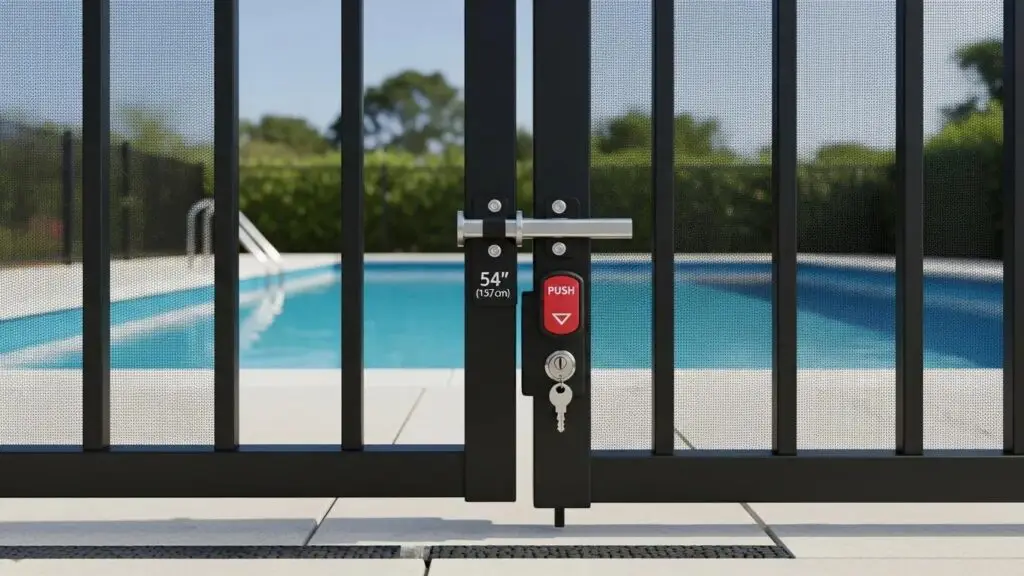
Gates must be self-closing and self-latching to comply with Massachusetts regulations. The latch should be positioned at least 54 inches above the ground to prevent children from accessing the pool area. Additionally, gates should swing away from the pool to enhance safety.
These specific requirements for gate mechanisms are echoed in broader safety guidelines for pool barriers.
Pool Barrier Gate Compliance & Safety
Gates and Doors All pedestrian access gates in a pool barrier shall be self-closing and self-latching and shall be equipped with a locking device located at least 54 inches above the bottom of the gate.
HOMEOWNER’S BUILDING, 2013
Are Self-Closing and Self-Latching Gates Mandatory in Massachusetts?
Yes, self-closing and self-latching gates are mandatory in Massachusetts. These features are essential for ensuring that the gate remains closed when not in use, significantly reducing the risk of accidental access to the pool area by children.
How Do Gate Requirements Enhance Child Safety Around Pools?
Gate requirements, such as self-closing and self-latching mechanisms, play a vital role in enhancing child safety around pools. By ensuring that gates automatically close and latch, the likelihood of children gaining unsupervised access to the pool area is greatly diminished. For pool safety solutions, contact us at contact us.
Maintenance Practices
Regular maintenance of pool fences is crucial for ensuring ongoing compliance with safety standards. Homeowners should implement best practices to keep their pool barriers in optimal condition.
How Are Pool Fence Inspections and Maintenance Conducted in Massachusetts?
Pool fence inspections in Massachusetts typically involve checking the height, stability, and functionality of gates and latches. Homeowners should conduct regular inspections to identify any wear and tear that may compromise safety.
What Is the Inspection Frequency for Pool Fences in Massachusetts?
While there is no specific mandated frequency for pool fence inspections, it is recommended that homeowners inspect their fences at least once a year. Additionally, inspections should be conducted after severe weather events to ensure the integrity of the fence.
What Are Common Compliance Issues Found During Pool Fence Inspections?
Common compliance issues found during pool fence inspections include:
- Height Violations: Fences that do not meet the minimum height requirement.
- Gate Functionality Issues: Gates that do not close or latch properly.
- Material Deterioration: Signs of wear that compromise the fence’s effectiveness.
Addressing these issues promptly is essential for maintaining compliance and ensuring safety.
Cost Considerations
Understanding the costs associated with pool fence installation is important for homeowners planning to enhance their pool safety. Various factors can influence the overall expense.
What Are the Key Child Safety Features Required by Massachusetts Pool Fence Codes?
Key child safety features required by Massachusetts pool fence codes include:
- Minimum Height: Fences must be at least 48 inches high.
- Self-Closing Gates: Gates must automatically close and latch.
- Durable Materials: Fences must be constructed from approved materials that withstand environmental conditions.
These features are designed to provide a safe environment for children around pools.
What Are the Penalties for Non-Compliance with Pool Fence Safety Laws in Massachusetts?
Penalties for non-compliance with pool fence safety laws in Massachusetts can include fines and potential liability in the event of an accident. Homeowners are encouraged to adhere strictly to regulations to avoid these consequences.
Where Can Homeowners Find Local Enforcement Resources and Professional Pool Fence Services in Massachusetts?
Homeowners seeking assistance with pool fence compliance can find local enforcement resources through their municipal building departments. Additionally, professional pool fence services offer expertise in installation and compliance.
How to Contact Local Authorities for Pool Fence Code Enforcement in Massachusetts?
To contact local authorities for pool fence code enforcement in Massachusetts, homeowners should reach out to their local building department. They can provide information on regulations, inspections, and any necessary permits.
What Are the Benefits of Hiring Certified Pool Fence Installers in Massachusetts?
Hiring certified pool fence installers offers several benefits, including:
- Expertise and Qualifications: Certified installers have the knowledge to ensure compliance with local regulations.
- Legal Compliance: Professional installation reduces the risk of non-compliance penalties.
- Quality Assurance: Certified installers use high-quality materials and techniques to enhance safety.
By choosing certified professionals, homeowners can ensure their pool fencing meets all necessary safety standards and regulations.
To ensure your pool area is safe and compliant, consider contacting pool fence professionals.
For homeowners looking to enhance privacy, privacy fencing options are also available.
If you have pets, especially dogs, you might also want to consider dog fencing to keep them safe within your property.
For a cost-effective and durable option, many homeowners choose chain link fencing.
Another popular choice is vinyl fencing, known for its low maintenance and aesthetic appeal.
For all your fencing needs, Olympic Fence can provide expert installation and ensure compliance with local regulations.