Cedar Fence Longevity in Massachusetts: Expert Durability Guide

Cedar fences in Massachusetts offer durability and beauty. Experts share insights on enhancing longevity and maintaining appeal for years to come.
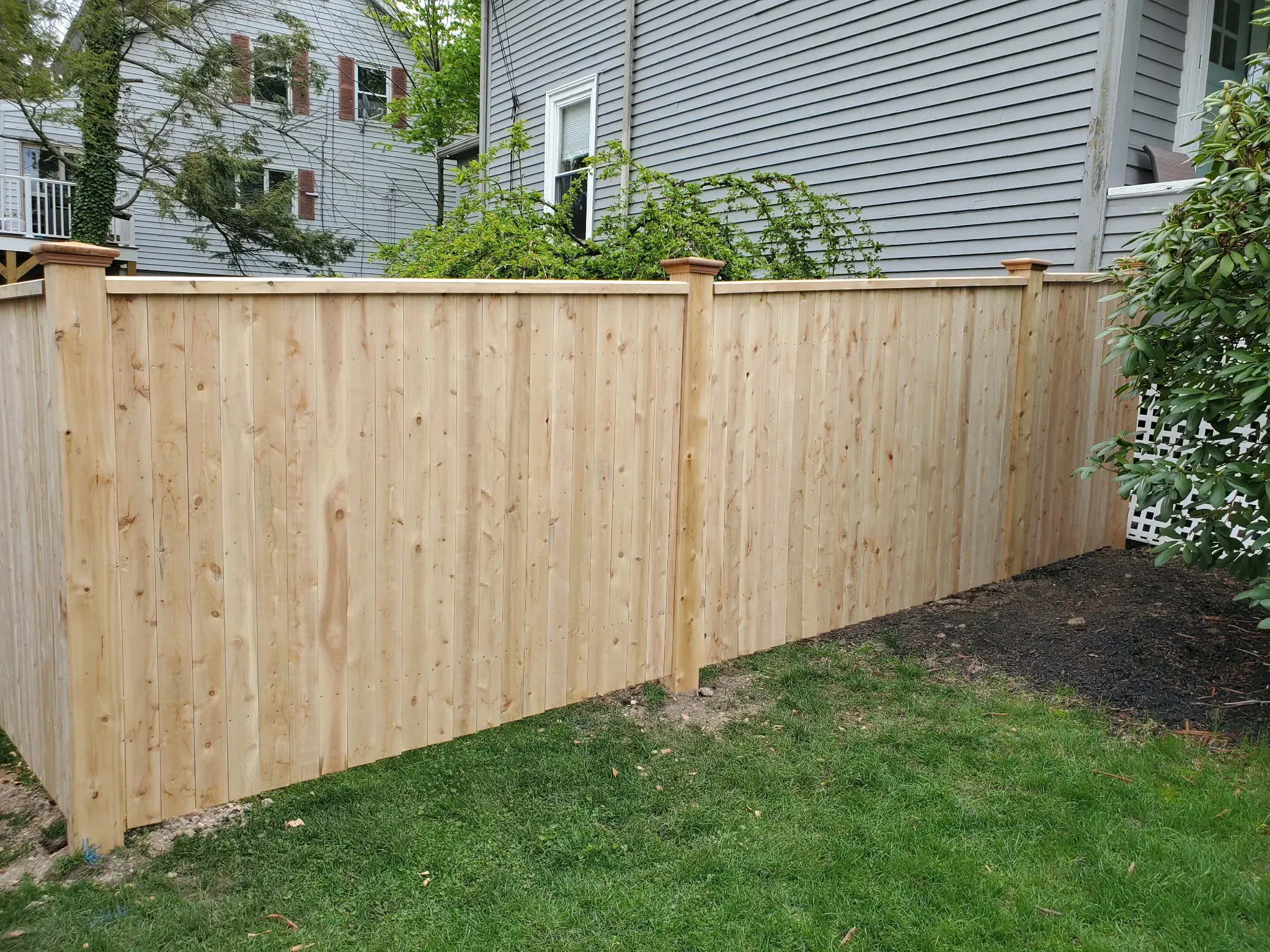
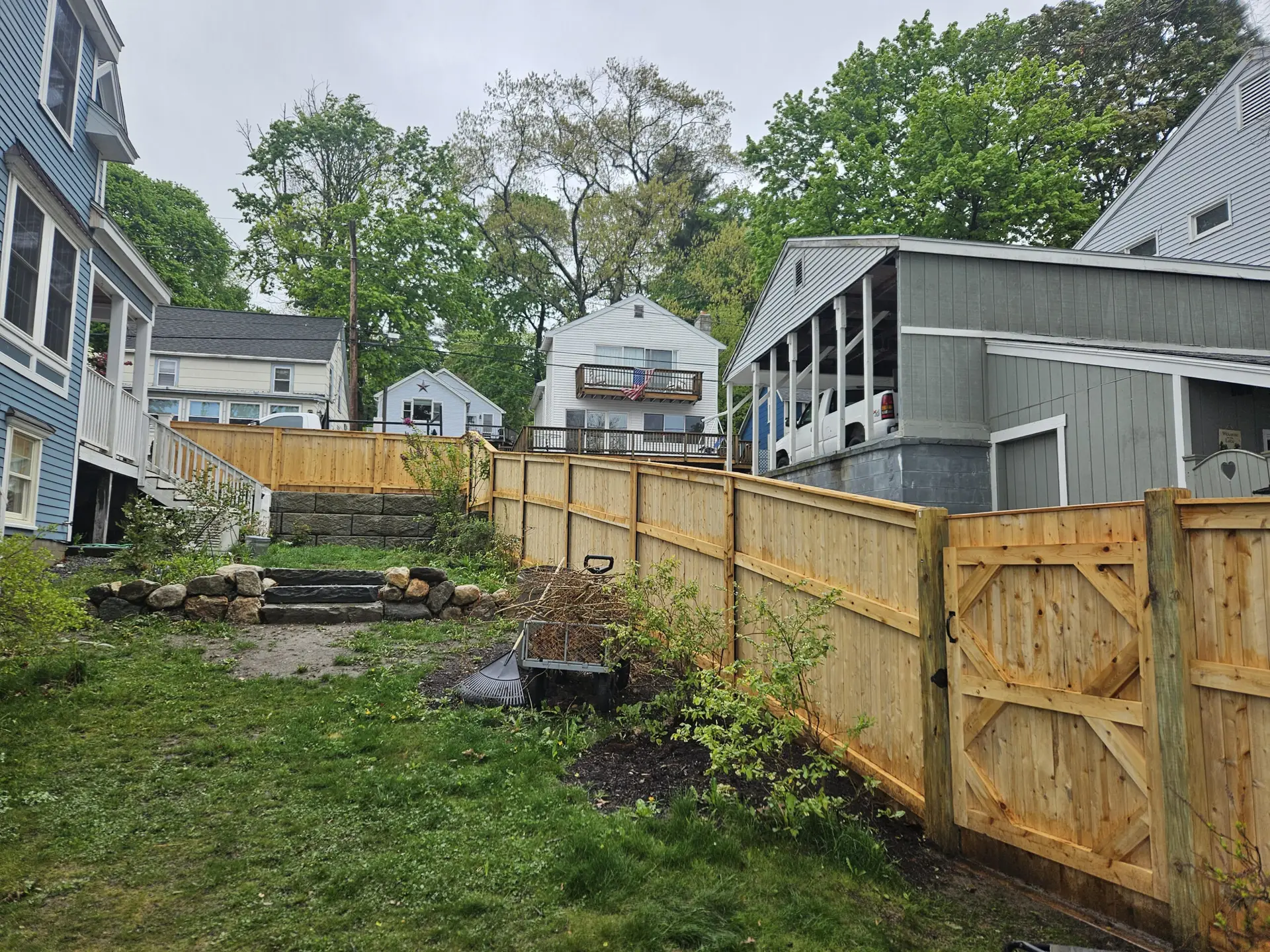
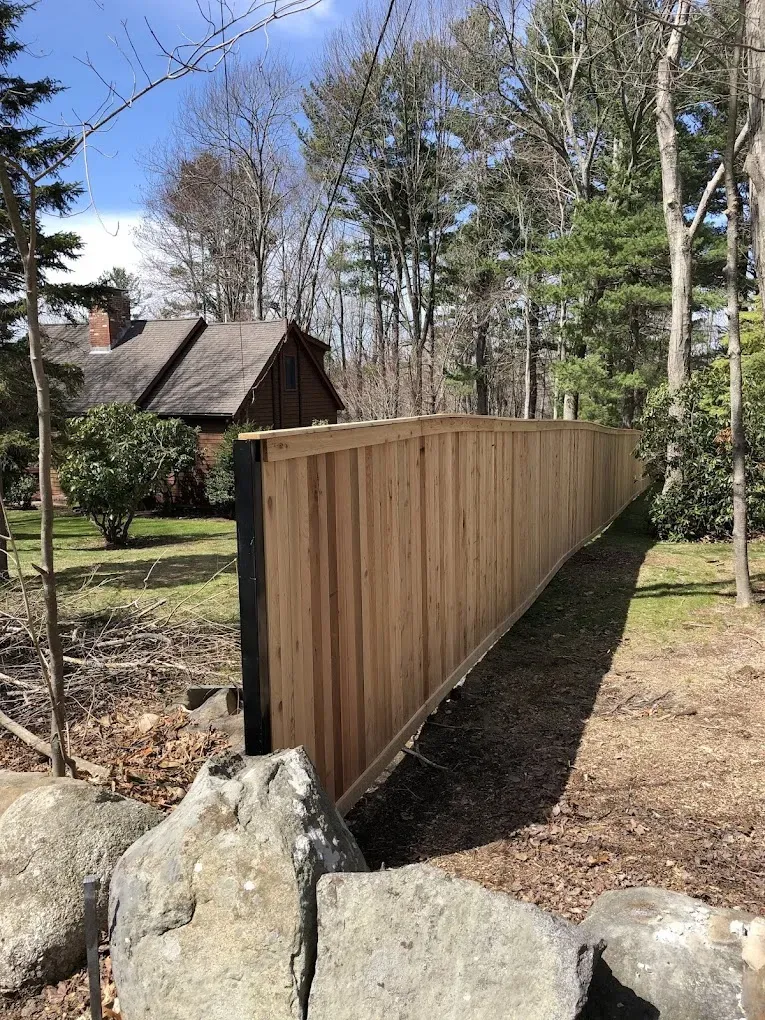
Wooden fence along a landscaped yard, surrounded by trees and rocks.

Cedar Fence Longevity and No-Dig Installation Benefits

Cedar fences are a popular choice for homeowners in Massachusetts due to their natural beauty and durability. Understanding the lifespan of a cedar fence is crucial for making an informed investment. This article will explore the expected lifespan of cedar fences in Massachusetts, the factors that influence their durability, and the advantages of no-dig systems that can enhance their longevity. Many homeowners face the challenge of maintaining their fences against the harsh New England climate, which can lead to premature deterioration. By learning about the lifespan expectations and maintenance practices, you can ensure your cedar fence remains a valuable asset for years to come. We will also discuss how no-dig systems can provide additional benefits, making them a worthwhile consideration for your fencing needs.

Lifespan Expectations

The lifespan of a cedar fence in Massachusetts can vary significantly based on several factors, including treatment, installation quality, and environmental conditions. Untreated cedar typically lasts around 10-15 years, while stained or sealed cedar can extend this lifespan to 15-20 years. Professionally installed cedar fences, particularly those that are well-maintained, can even last longer, providing a robust barrier for your property. Understanding these lifespan expectations is essential for homeowners looking to invest in a durable fencing solution.

What Is the Typical Lifespan of a Cedar Fence in Massachusetts?

In Massachusetts, the typical lifespan of a cedar fence ranges from 10 to 25 years, depending on whether it is treated or untreated. Untreated cedar fences generally last about 10-15 years, while those that are stained or sealed can last significantly longer, up to 15-20 years. This variance highlights the importance of proper treatment and maintenance in maximizing the longevity of your fence.

How Does Massachusetts Climate Affect Cedar Fence Longevity?

The climate in Massachusetts, characterized by cold winters and humid summers, can significantly impact the longevity of cedar fences. The freeze-thaw cycles in winter can cause wood to expand and contract, leading to cracks and warping. Additionally, high humidity levels can promote mold and rot if the wood is not properly treated. Therefore, understanding the local climate is crucial for selecting the right materials and maintenance practices to ensure your cedar fence lasts as long as possible.

What Are the Expected Lifespan Ranges for Cedar Fences with Proper Installation?

Comparison of cedar fence longevity with traditional vs no-dig installation methods

With proper installation and maintenance, cedar fences can achieve a lifespan of up to 20 years. Factors such as quality of installation, choice of materials, and regular maintenance practices play a significant role in determining how long your fence will last. Homeowners should consider hiring professionals who specialize in cedar fence installation to ensure that their investment is protected against the elements. For expert services, visit Olympic Fence.

Factors Affecting Durability

Several factors influence the durability of cedar fences, including the quality of the cedar wood, installation methods, and ongoing maintenance practices. Understanding these factors can help homeowners make informed decisions about their fencing options.

  • Species and Quality of Cedar: Different species of cedar have varying levels of durability. Western Red Cedar is known for its resistance to decay and insect damage, making it a preferred choice for fencing. Learn more about cedar options at Olympic Fence Materials.
  • Climate Conditions: The local climate can affect how well a cedar fence holds up over time. Areas with high humidity or extreme temperature fluctuations may require more frequent maintenance. Find guidance on selecting fences for Massachusetts weather at Ideal Fence for Massachusetts Weather.
  • Installation Quality: Proper installation is crucial for the longevity of a cedar fence. Ensuring that posts are set correctly and that the fence is level can prevent issues down the line. Professional installation services are available at Olympic Fence Services.
  • Maintenance Practices: Regular maintenance, such as staining or sealing, can significantly extend the life of a cedar fence. Homeowners should inspect their fences annually and address any issues promptly. For maintenance tips and products, visit Olympic Fence Products.

No-Dig Systems for Extended Longevity

No-dig systems are an innovative approach to fence installation that can enhance the durability of cedar fences. These systems eliminate the need for traditional concrete footings, reducing soil disturbance and minimizing the risk of rot.

How Do No-Dig Fence Post Systems Enhance Cedar Fence Durability?

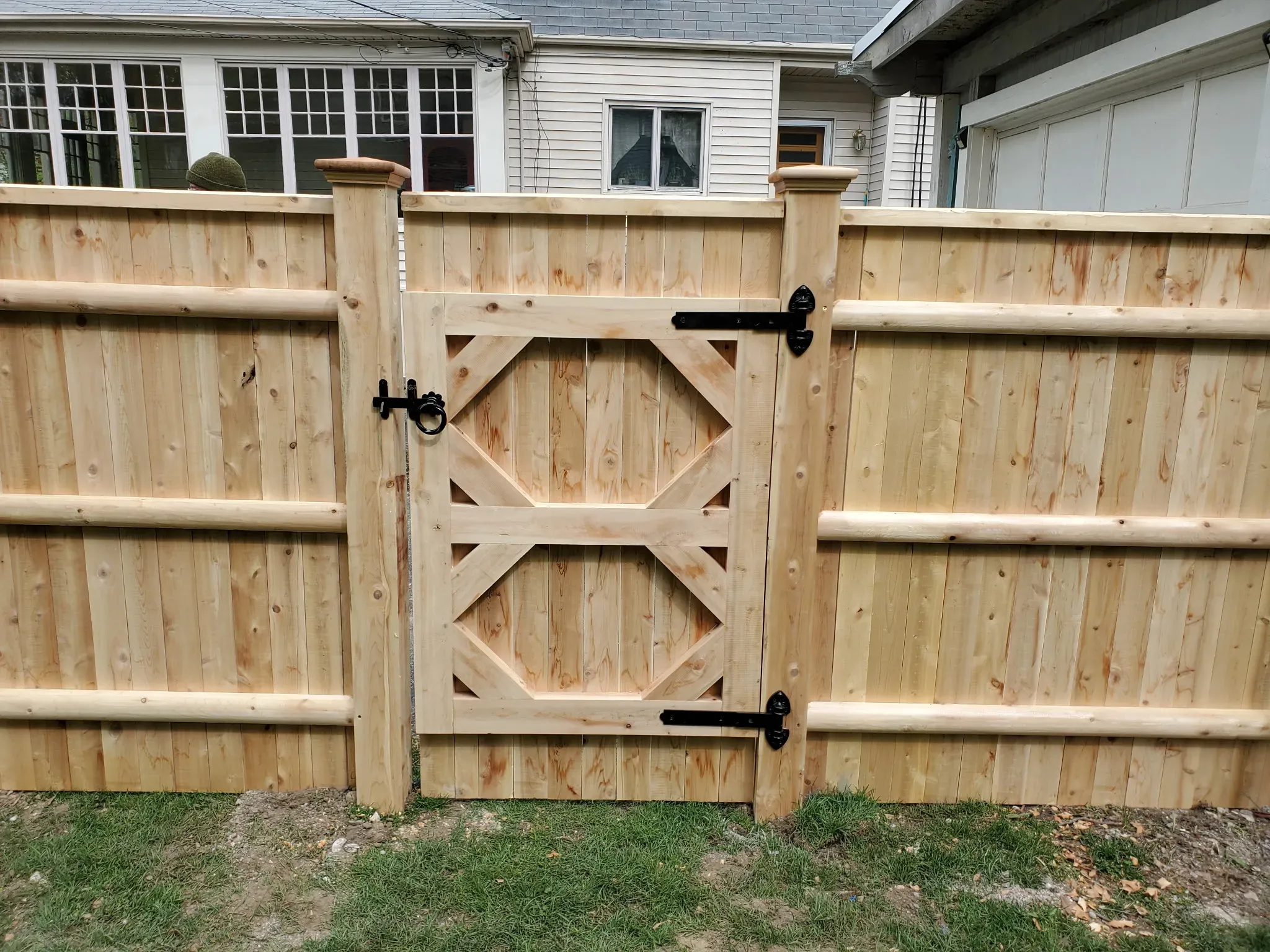
No-dig fence post system installation demonstrating enhanced durability for cedar fences

No-dig fence post systems enhance the durability of cedar fences by reducing the amount of soil contact that the wood has. This minimizes the risk of rot and decay, which are common issues with traditional fence installations. By using a wood-on-steel post system, homeowners can ensure that their fences remain stable and secure for many years. Discover residential cedar fence options in Newburyport at Olympic Fence Newburyport.

What Are No-Dig Fence Post Systems and How Do They Work?

No-dig fence post systems utilize a unique installation method that involves driving steel posts into the ground without the need for digging holes. This method not only saves time but also reduces the risk of damaging existing landscaping. The steel posts provide a sturdy foundation for the cedar panels, ensuring that the fence remains upright and functional. Explore more about residential projects at Olympic Fence Residential Projects.

Why Are No-Dig Systems More Resistant to Rot and Soil Disturbance?

No-dig systems are more resistant to rot and soil disturbance because they minimize the amount of wood that is in contact with the soil. By elevating the fence panels above the ground, these systems prevent moisture from accumulating around the wood, which is a primary cause of rot. This innovative approach can significantly extend the lifespan of cedar fences, making them a smart choice for homeowners.

Conclusion

In summary, the lifespan of a cedar fence in Massachusetts can be significantly influenced by factors such as treatment, installation quality, and climate conditions. Homeowners can expect their cedar fences to last anywhere from 10 to 20 years, depending on these variables. Implementing proper maintenance practices and considering advanced installation methods like no-dig systems can further enhance the durability of cedar fences. By investing in quality materials and installation, homeowners can enjoy the beauty and functionality of cedar fencing for many years to come.

For homeowners seeking professional fence installation, Olympic Fence offers a range of services to meet your needs. Learn more about us or contact us for personalized assistance.

If you’re considering adding a pool, pool fencing is essential for safety and compliance with local regulations.

For those prioritizing privacy, privacy fencing options can create a secluded and secure outdoor space.

Share the Post:

Related Posts

Join Our Newsletter