Durable Sports Field Fencing that Lasts for Parks & Schools
Selecting Durable Fencing Materials for School Sports Fields
Durable sports fencing is essential for parks and schools, providing safety and security for athletes and spectators alike. This comprehensive guide explores the various materials available, installation techniques, and safety considerations that ensure long-lasting and effective fencing solutions. Many institutions face challenges in selecting the right fencing that balances durability, cost, and maintenance. Understanding the options available can help decision-makers choose the best fencing solutions for their specific needs. This article will cover the best school sports fencing options, compare common materials, discuss installation processes, and highlight maintenance strategies to extend the life of athletic field fencing.
What Are the Best School Sports Fencing Options for Durability and Safety?
When it comes to selecting fencing for school sports, durability and safety are paramount. The best options include:
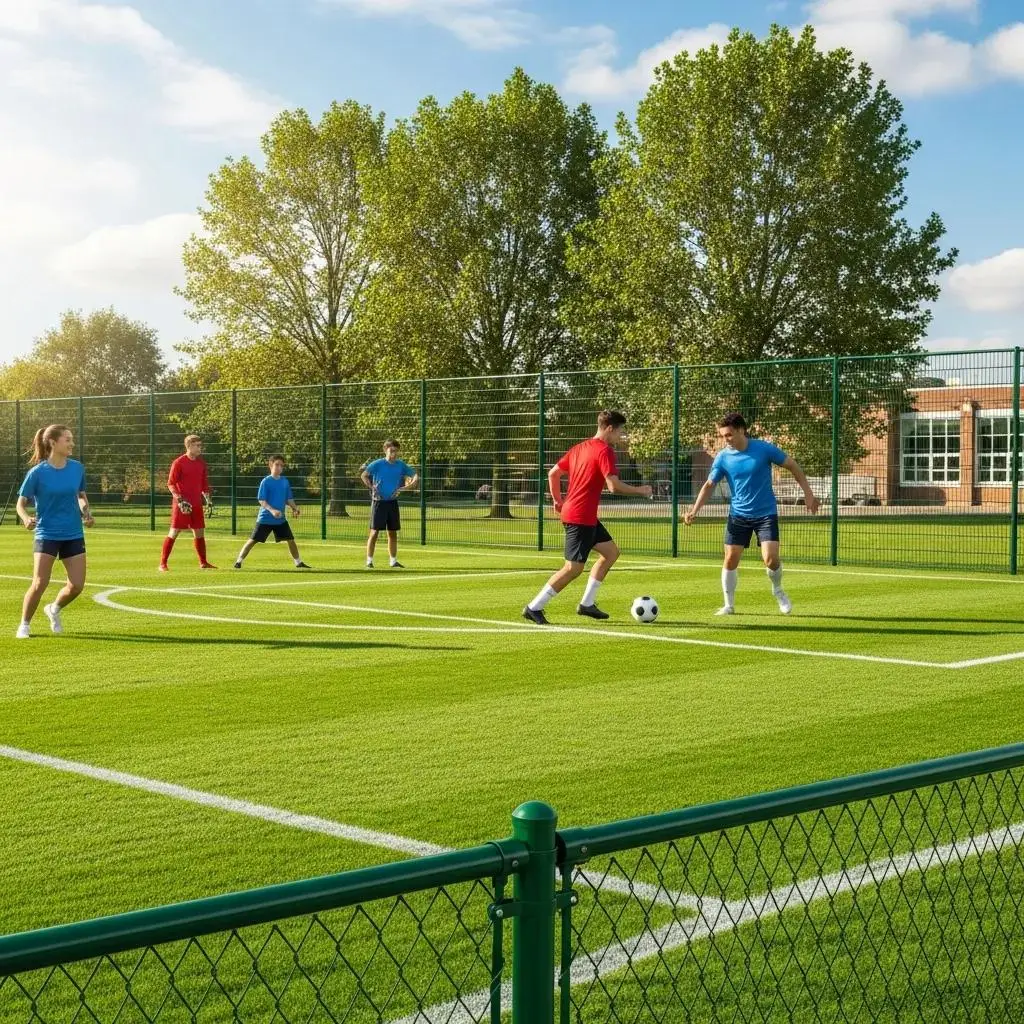
- Chain Link Fence for Schools: Known for its cost-effectiveness and durability, chain link fence for schools provides a practical solution for securing sports fields. It allows visibility while keeping players safe within the boundaries.
- Vinyl Fencing: This option is low maintenance and offers aesthetic appeal, making it a popular choice for schools. Vinyl fencing is resistant to rot and corrosion, ensuring longevity.
- Ornamental Steel Fencing: Combining high security with aesthetic value, ornamental steel fencing is ideal for schools that prioritize both safety and appearance. Its robust construction deters unauthorized access while enhancing the overall look of the facility.
These fencing options not only provide security but also contribute to the overall safety of the sports environment.
Comparing Common Fencing Materials: Vinyl, Steel, and Chain Link
Understanding the differences between various fencing materials is crucial for making an informed decision. The following table compares the durability, maintenance, and cost of vinyl, steel, and chain-link fencing:
| Fencing Material | Durability | Maintenance | Cost |
|---|---|---|---|
| Vinyl | High | Low | Moderate |
| Steel | Very High | Moderate | High |
| Chain Link | Moderate | Low | Low |
Vinyl fencing stands out for its low maintenance needs, while steel offers superior durability, making it suitable for high-traffic areas. Chain-link fencing is the most economical option, ideal for budget-conscious institutions. Each material has its unique advantages, allowing schools to choose based on their specific requirements.
How Weather-Resistant Materials Enhance Sports Field Longevity
Weather-resistant materials play a significant role in extending the lifespan of athletic field fencing. These materials minimize damage from environmental factors such as rain, snow, and UV exposure. For instance, vinyl and galvanized steel are particularly effective at resisting rot and corrosion, ensuring that the fencing remains intact over time. Proper installation techniques, including securing posts and ensuring adequate drainage, further enhance the durability of the fencing. By investing in weather-resistant materials, schools can reduce long-term maintenance costs and ensure the safety of their sports facilities.
How Is Park Fence Installation Done for Parks and Schools?
The installation of park fence installation involves several critical steps to ensure a secure and durable setup. The process typically includes:
- Initial Consultation and Site Assessment: Understanding the specific needs and conditions of the site is essential for effective planning.
- Permit Acquisition and Site Preparation: Securing necessary permits and preparing the site for installation are crucial steps that ensure compliance with local regulations.
- Installation Steps: This includes setting up posts, attaching fencing panels, and ensuring that gates are properly installed for accessibility.
Following these steps ensures that the fencing is installed correctly, providing a safe environment for sports activities.
Key Considerations for Weatherproof Sports Fencing Installation
When installing weatherproof sports fencing, several key considerations must be taken into account:
- Material Selection: Choosing materials that are resistant to corrosion and weather damage is essential for longevity.
- Proper Drainage: Ensuring that the site has adequate drainage prevents water pooling, which can weaken the fencing structure.
- Engaging Licensed Contractors: Hiring professionals ensures that the installation meets safety standards and compliance requirements.
These considerations help ensure that the fencing remains effective and durable over time.
What Safety Standards and Compliance Are Required for School and Park Fencing?
Safety standards and compliance are critical when installing fencing in schools and parks. Key requirements include:
- Adherence to Local Zoning Laws: Fencing must comply with local regulations regarding height and material specifications.
- Height Restrictions: Many jurisdictions have specific height requirements for fencing around sports fields to ensure visibility and safety.
- Consulting Professionals: Engaging with fencing professionals can help ensure that all safety standards are met, reducing liability for the institution.
By following these guidelines, schools can create a safe environment for students and athletes.
How Can Maintenance Extend the Longevity of Durable Sports Fencing?
Regular maintenance is vital for extending the life of durable sports fencing. Key practices include:
- Regular Inspections: Conducting routine checks for damage or wear can help identify issues before they become significant problems.
- Prompt Repairs: Addressing any damage immediately prevents further deterioration and maintains the integrity of the fencing.
- Cleaning and Sealing: For wood fencing, regular cleaning and sealing can protect against moisture and pests.
Implementing these maintenance strategies ensures that the fencing remains functional and safe for years to come.
Cost-Effective Maintenance Strategies for Schools and Parks
Maintaining sports fencing does not have to be costly. Here are some cost-effective strategies:
- Conducting Seasonal Maintenance Checks: Regularly scheduled inspections can catch minor issues before they escalate.
- Addressing Small Repairs Promptly: Fixing small problems immediately can prevent more extensive damage and higher repair costs.
- Utilizing Professional Maintenance Services: Hiring professionals for periodic maintenance can ensure that the work is done correctly and efficiently.
These strategies help schools and parks manage their maintenance budgets while ensuring the safety and longevity of their fencing.
Why Choose Weatherproof Sports Fencing for School and Park Environments?
Choosing weatherproof sports fencing offers numerous benefits, including:
- Durability Against Weather-Related Damage: Weatherproof materials resist the effects of rain, snow, and UV exposure, ensuring long-lasting performance.
- Low Maintenance Requirements: Many weatherproof options require minimal upkeep, saving time and resources for schools and parks.
- Cost-Effectiveness in the Long Run: Investing in durable fencing reduces the need for frequent replacements and repairs, ultimately saving money.
By selecting weatherproof fencing, schools and parks can create safe, attractive, and functional sports environments that stand the test of time.
Inquire Today About Commercial and Municipal Fencing
Looking for durable and reliable fencing solutions for your commercial or municipal project? Contact a municipal fencing contractor today to learn more about our expert fencing services and how we can help secure your sports fields and facilities.