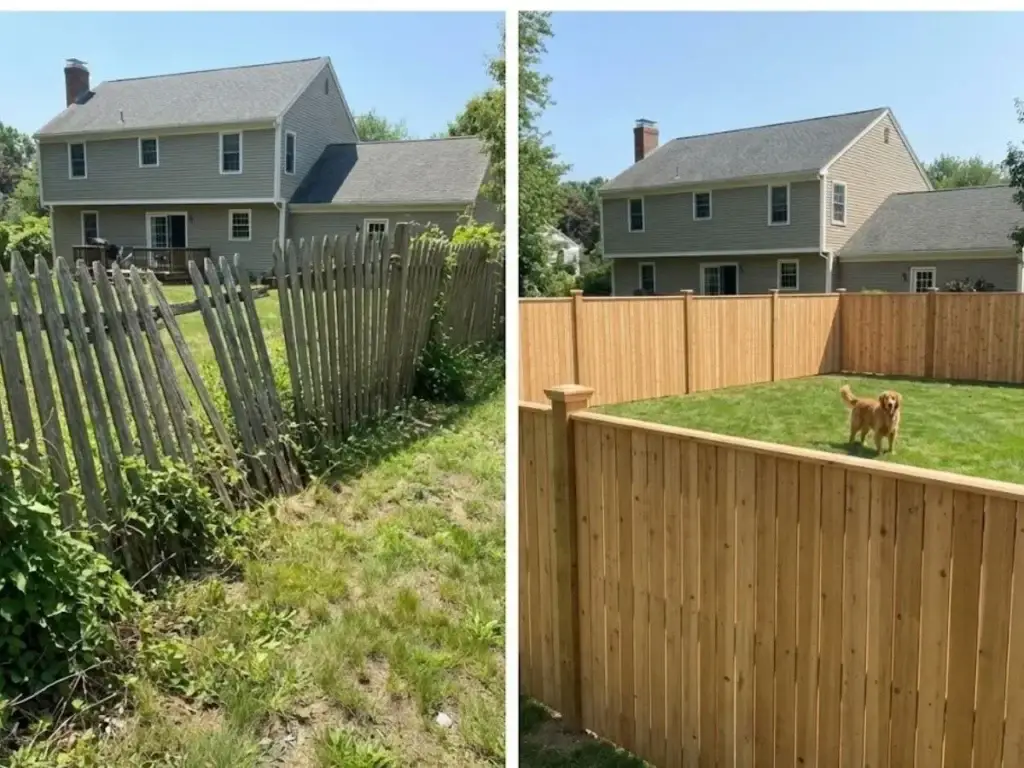
Safe & Secure Pet Fencing Solutions for Your Yard
Creating a safe and secure environment for your pets is essential for their well-being and your peace of mind. Pet fencing solutions not only keep your furry friends contained but also protect them from potential dangers outside your yard. This article will explore various types of pet fencing solutions, including their features, benefits, and installation tips. You will learn about the best materials for pet fencing, how to choose the right system for your needs, and the importance of safety standards in pet containment. By the end, you will have a comprehensive understanding of how to create a secure space for your pets while considering budget-friendly options.
The best safe and secure pet fencing solutions for your yard include cedar, vinyl, and chain-link dog fences.
When it comes to pet fencing, the material you choose plays a crucial role in both safety and aesthetics. Cedar fencing offers natural beauty and durability, making it a popular choice among pet owners. Its natural oils also provide resistance to decay and insects, ensuring a long-lasting solution. Vinyl fencing, on the other hand, is low-maintenance and long-lasting, making it ideal for busy families. It comes in various styles and colors, allowing you to customize your yard’s appearance while keeping your pets safe. Chain-link fencing is another economical option that provides visibility and airflow, making it a practical choice for larger yards.
What Are the Best Dog Fence Systems for Reliable Pet Containment?
Reliable pet containment systems are essential for ensuring your pets remain safe within your yard. The best dog fence systems include:
- Cedar Fencing: Provides complete visual security and a natural look.
- Vinyl Fencing: Ideal for busy families due to its low maintenance and durability.
- Chain-Link Fencing: Allows visibility and airflow while being economical.
These systems not only keep your pets contained but also enhance the overall safety of your yard.
How Do Wireless and Invisible Fence Technologies Compare?
Wireless and invisible fence technologies offer unique solutions for pet containment. Wireless fences provide flexibility, allowing you to set boundaries without the need for physical barriers. They are easy to install and can be adjusted as needed. Invisible fences, on the other hand, create a hidden boundary that pets learn to respect through training. Both systems have unique installation requirements and can be effective when used correctly.
What Features Ensure Safety and Durability in Pet Fences?
When selecting a pet fence, certain features enhance safety and durability. Material durability is crucial, as it ensures the fence can withstand weather conditions and wear over time. Reinforced ground barriers prevent digging, which is a common escape method for pets. Additionally, secure gate latches enhance safety by preventing accidental openings.
How Can You Successfully Install an Invisible Pet Fence?
Installing an invisible pet fence requires careful planning and execution. Here are the essential steps for a successful installation:
- Free On-Site Pet Assessment: Conduct an assessment to determine the best layout for your invisible fence.
- Custom Security Design: Tailor the design to meet your pet’s specific needs and behaviors.
- Professional Installation: Consider hiring professionals to ensure the system is installed correctly and functions effectively.
Following these steps will help you create a secure environment for your pets.
What Are the Step-by-Step Installation Tips for Wireless Pet Fences?
Installing a wireless pet fence can be straightforward if you follow these tips:
- Choose the Right Location for the Transmitter: Ensure the transmitter is placed in a central location for optimal coverage.
- Test the System Before Finalizing Installation: Conduct tests to ensure the system works as intended before completing the setup.
- Regularly Check Battery Life and Functionality: Maintain the system by checking batteries and functionality to ensure it operates effectively.
These tips will help you achieve a successful installation of your wireless pet fence.
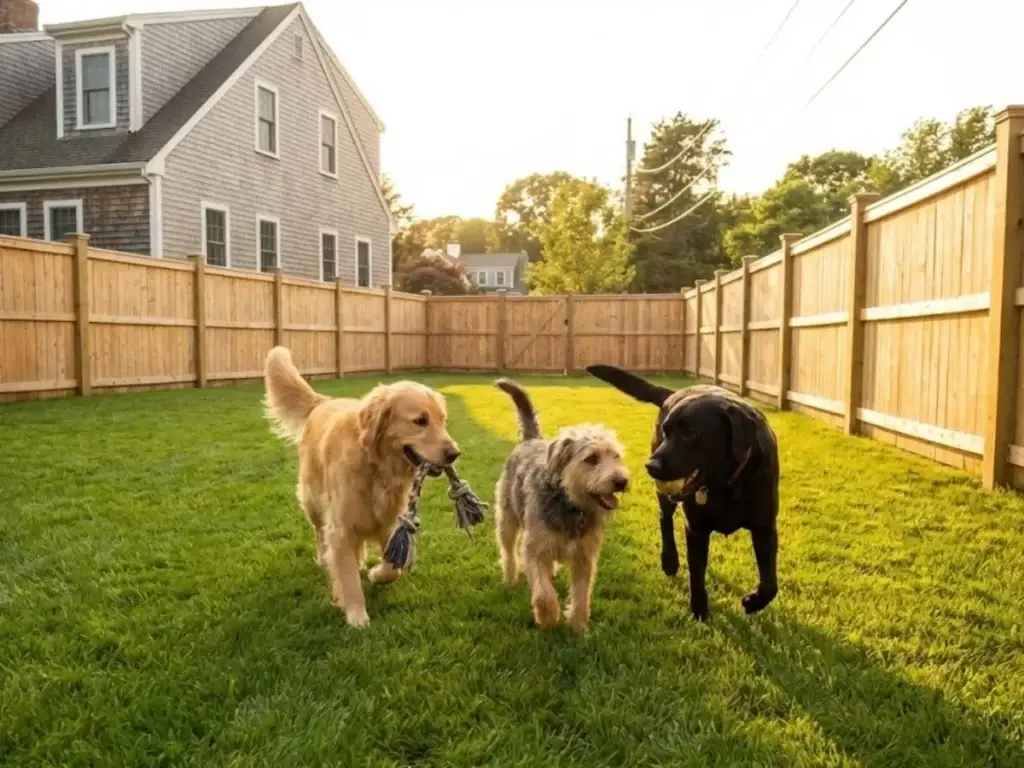
What Affordable Pet Containment Solutions Are Available for Your Yard?
Affordable pet containment solutions are essential for pet owners on a budget. Some options include:
- Chain-Link Fencing: The most economical choice, providing durability and visibility.
- Cedar Fencing: Offers visual security while being a long-term investment.
- Vinyl Fencing: Although slightly more expensive, it is a long-term investment due to its low maintenance.
These options provide effective containment without breaking the bank.
Beyond traditional physical barriers, electric fencing presents another cost-effective and technologically advanced option for pet containment.
Electric Fencing for Pet Safety & Cost-Effective Containment
Farmers have adopted various technological solutions for the protection of their fields from the animal attacks. One of such solutions is the electric fencing. This fencing system is cost effective and requires only low installation cost as compared to the traditional fencing, barbed wires, or wooden fences. The main subsystems of this electric fencing system are power supply subsystem, conductive subsystem, support and insulation subsystem, grounding subsystem and safety and protection subsystem.
Enhancing farm security: A stochastic approach for understanding the performability of electric fencing systems, 2025
How Do Budget-Friendly Dog Fences Compare in Performance?
When considering budget-friendly dog fences, it’s important to evaluate their performance. Cost-effectiveness versus durability is a key factor, as cheaper materials may require more frequent replacements. Long-term maintenance considerations also play a role in overall costs. User reviews and satisfaction ratings can provide insight into the effectiveness of various budget-friendly options.
What Are the Pros and Cons of DIY Wireless Pet Fence Ideas?
DIY wireless pet fences can be a cost-effective solution, but they come with their own set of advantages and disadvantages:
- Cost Savings: DIY options can save money compared to professional installations.
- Potential for Improper Installation: Without experience, there is a risk of incorrect setup, leading to ineffective containment.
- Flexibility in Design and Layout: DIY projects allow for customization based on your yard’s specific needs.
Understanding these pros and cons can help you make an informed decision about whether to pursue a DIY wireless pet fence.
Selecting Custom Fencing Solutions for Canine Safety
Choosing custom yard fencing options requires careful consideration of your dog’s specific needs. Factors to consider include:
- Dog’s Behavior and Size: Larger or more active dogs may require taller or more secure fencing.
- Local Building Codes: Ensure compliance with local regulations regarding fence height and materials.
- Consult with Professionals: Seek advice from fencing experts to find tailored solutions that meet your needs.
These considerations will help you select the best fencing option for your pet.
Which Materials and Designs Offer Optimal Security and Comfort?
When selecting materials and designs for pet fencing, consider options that enhance security and comfort. Vinyl fencing is low-maintenance and provides a clean look, while cedar fencing is durable and aesthetically pleasing. Chain-link fencing is versatile and cost-effective, allowing for airflow and visibility.
How Do Custom Fences Address Specific Pet Safety Challenges?
Custom fences can effectively address specific pet safety challenges. Features such as reinforced barriers prevent digging, while custom heights can deter jumping. Additionally, secure gate systems enhance safety by ensuring that pets cannot escape through openings.
What Are the Best Practices for Maintaining and Troubleshooting Pet Fencing Systems?
Maintaining and troubleshooting pet fencing systems is crucial for long-term functionality. Best practices include:
- Regular Inspections: Conduct routine checks to identify any wear or damage.
- Timely Repairs: Address issues promptly to prevent larger problems from developing.
- Quality Materials: Invest in high-quality materials to enhance the longevity of your fencing system.
These practices will help ensure your pet fencing system remains effective over time.
How Can You Ensure Long-Term Safety and Functionality?
To ensure long-term safety and functionality of your pet fencing, consider the following strategies:
- Conduct Routine Maintenance: Regularly inspect and maintain your fencing to prevent deterioration.
- Invest in Durable Materials: Choose materials that can withstand the elements and wear over time.
- Develop Customized Maintenance Schedules: Tailor maintenance schedules based on your specific fencing type and environmental conditions.
Implementing these strategies will help maintain a safe environment for your pets.
What Common Issues Occur and How Are They Resolved?
Common issues with pet fencing can arise, but many can be resolved with proper attention. Some common problems include:
- Rust and Weather Damage: Regularly inspect metal components for rust and treat as necessary.
- Installation Errors: Ensure proper installation to avoid gaps or weak points in the fence.
- Gate Functionality: Regularly check gate latches and hinges to ensure they operate smoothly.
Addressing these issues promptly will help maintain the integrity of your pet fencing system.
Why Is Pet Safety Paramount in Selecting and Using Yard Fencing Solutions?
Pet safety is paramount when selecting and using yard fencing solutions. Proper containment prevents escapes, which can lead to dangerous situations for pets. Behavioral considerations, such as a dog’s tendency to dig or jump, should influence design choices. Additionally, durability ensures long-term safety, protecting pets from potential hazards.
What Safety Standards and Regulations Should You Follow?
When installing pet fencing, it’s essential to follow safety standards and regulations. Compliance with local regulations regarding fence height and materials is crucial. Safety features, such as secure gate latches and reinforced barriers, should also be considered. Understanding these standards will help ensure your pet fencing solution is both safe and effective.
How Do Proper Fencing Solutions Prevent Accidents and Escape?
Proper fencing solutions act as physical barriers that prevent accidents and escapes. Security features, such as reinforced gates and secure latches, enhance deterrence against potential breaches. Regular maintenance is essential to ensure the fencing remains effective over time, providing a safe environment for your pets.
Secure Your Yard with Expert Dog Fencing Solutions
Ready to provide a safe and secure environment for your furry friends? Visit Olympic Fence MA for professional dog fencing options tailored to your needs. Protect your pets with durable, reliable fencing solutions designed for peace of mind.