By James LaPierre, Olympic Fence Co
As the vibrant colors of autumn set in, homeowners in Massachusetts are presented with a unique opportunity to enhance their properties through fencing installations. Fall is an ideal time for such projects, offering several advantages that align with both seasonal and environmental considerations. In this article, we will delve into the multifaceted benefits of installing a fence during the fall season, emphasizing how weather conditions and soil stability contribute to successful installations, while also considering the best materials for this time of year. Additionally, we’ll provide practical tips for preparation and maintenance that homeowners can follow to ensure their fencing remains sturdy throughout the colder months.
By the end, you will gain a comprehensive understanding of why fall is not only visually appealing but also strategically advantageous for your fencing needs in Massachusetts. We’ll explore cost savings associated with off-peak installation, the impact of autumn weather on construction quality, and how to properly prepare your property for a seamless installation. Whether you are considering vinyl, chain link, or wood, this guide will help you navigate optimal choices for fall fencing.
What Are the Key Advantages of Installing a Fence in Fall?
Fall presents several key advantages for installing a fence that homeowners should consider. First, the cooler temperatures and lower humidity levels typically seen in Massachusetts during this season can aid in the curing process of various fencing materials. This mechanism not only fortifies durability but also provides ideal conditions for installation, allowing for better handling of materials and equipment. Second, demand for fencing installations often decreases in the fall, which translates to potential cost savings for homeowners. Lastly, this season provides scheduling flexibility, enabling contractors to devote more attention to each project, leading to increased efficiency during installation.
How Does Fall Weather Improve Fence Installation Outcomes?
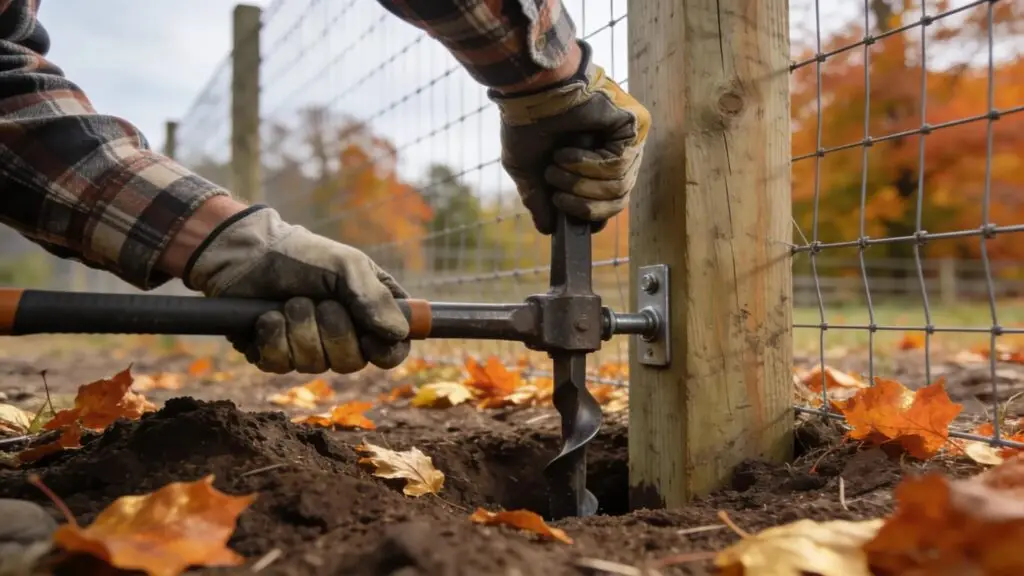
The fall season in Massachusetts is characterized by a range of favorable weather conditions that can enhance fence installation outcomes. Cooler temperatures allow materials to set and cure properly, minimizing the risk of warping or damage that may occur in extreme heat. Additionally, the ground is typically more stable during this time, reducing the likelihood of complications arising from wet or frozen soil. With these optimal environmental conditions, homeowners can expect a smoother installation process and better longevity for their fences.
Research into soil and environmental science highlights how specific atmospheric conditions during autumn create the perfect balance for structural stability.
Optimizing Fence Post Longevity: Moisture and Environmental Factors
poles, fence posts etc. for the simple reason that the amount of oxygen and moisture is optimal. Wood preservation, 2006
What Cost Savings and Scheduling Benefits Does Off-Peak Fall Installation Offer?
Installing a fence in the fall can lead to significant cost savings for homeowners. Contractors often offer discounts during the off-peak season to attract jobs that would otherwise be delayed until the spring. Moreover, the reduced demand means homeowners have the flexibility to schedule installations at their convenience, circumventing the rush of spring projects. This can result in quicker completion times and fewer interruptions to daily life as contractors have more time to focus on each task without the pressure of concurrent projects.
Which Fence Materials Perform Best During Autumn Installations in Massachusetts?
Selecting the right fencing material for fall installations is critical to ensuring durability and aesthetic appeal. Certain materials tend to perform exceptionally well during autumn, making them the top choices for homeowners in Massachusetts.
Why Are Vinyl and Chain Link Fences Ideal for Fall Installation?
Vinyl and chain link fences emerge as ideal choices for fall installations due to their resilience in cooler weather conditions. Vinyl fencing is particularly noted for its weather resistance, allowing it to maintain its appearance and structural integrity across seasonal transitions. Chain link fences are cost-effective and require lower maintenance, making them an excellent option for homeowners seeking durability without sacrificing style. Their installation process is also straightforward, further enhancing efficiency during the fall.
How Does Wood Fence Installation Differ in Fall Compared to Other Seasons?
While wood fences can also be installed in the fall, there are unique considerations to bear in mind. The cool and dry weather can actually assist in the curing and setting of wood, provided that the soil is properly prepared. Homeowners should consider sealing the wood before installation to protect it from moisture during the winter months. This proactive approach helps mitigate issues such as warping or decay, ensuring the wood fence remains a sturdy and attractive feature of the property.
How Do Massachusetts’ Regional Weather and Soil Conditions Affect Fall Fence Installation?
The unique regional weather and soil conditions in Massachusetts play a crucial role in effective fall fence installations. Understanding these factors can help homeowners make informed decisions about their fencing choices and installation processes.
What Soil Moisture and Temperature Factors Are Optimal in Fall?
The optimal conditions for fence installation in the fall include moderate soil moisture levels and stable temperatures. Cool, dry weather ensures that the ground is firm enough to support posts, while temperatures typically range from the mid-50s to low-70s, striking a perfect balance for both the handling of materials and the curing processes. These elements collectively contribute to a robust installation framework, reducing the likelihood of damage or instability as winter approaches.
How Does North Shore Massachusetts Differ in Seasonal Installation Needs?
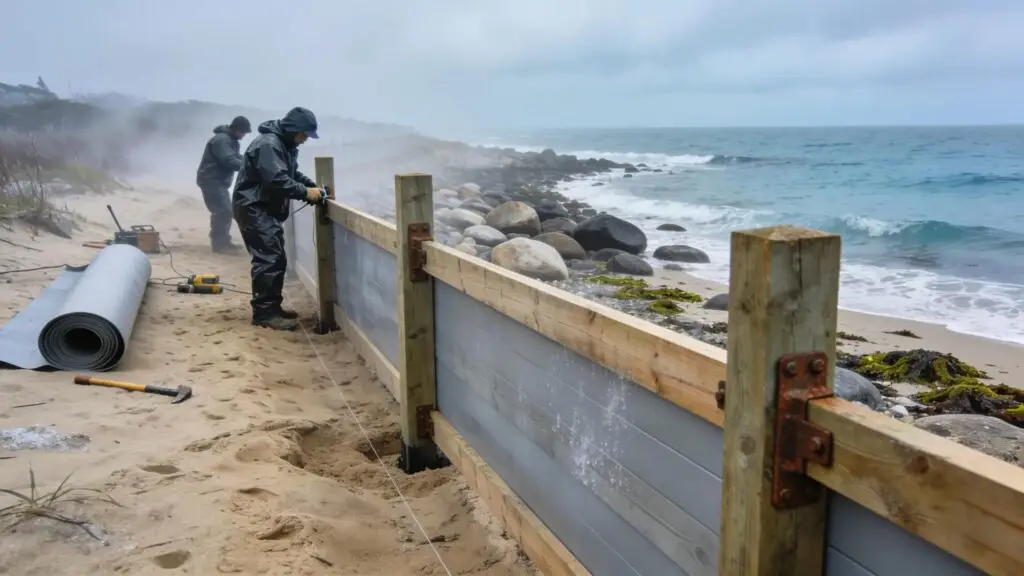
North Shore Massachusetts has its own unique climatic conditions that can impact fencing installation strategies. This region often experiences variations in humidity levels and soil composition, making it essential for homeowners to understand these differences when planning a fall installation.
Individuals in this zone may need to consider additional weatherproofing techniques for their fences, particularly those living closer to the coast, where salt exposure from ocean breezes can accelerate material degradation. Choosing materials with enhanced weather resistance becomes even more crucial in these contexts to ensure the longevity of the fencing.
What Preparation and Maintenance Tips Ensure Successful Fall Fence Installation?
Proper preparation and maintenance can greatly influence the success of fence installations during the fall. Homeowners can take several actionable steps to ensure that their installations are executed flawlessly and remain functional throughout the winter months.
How Should Homeowners Prepare Their Lawn and Property for Fall Installation?
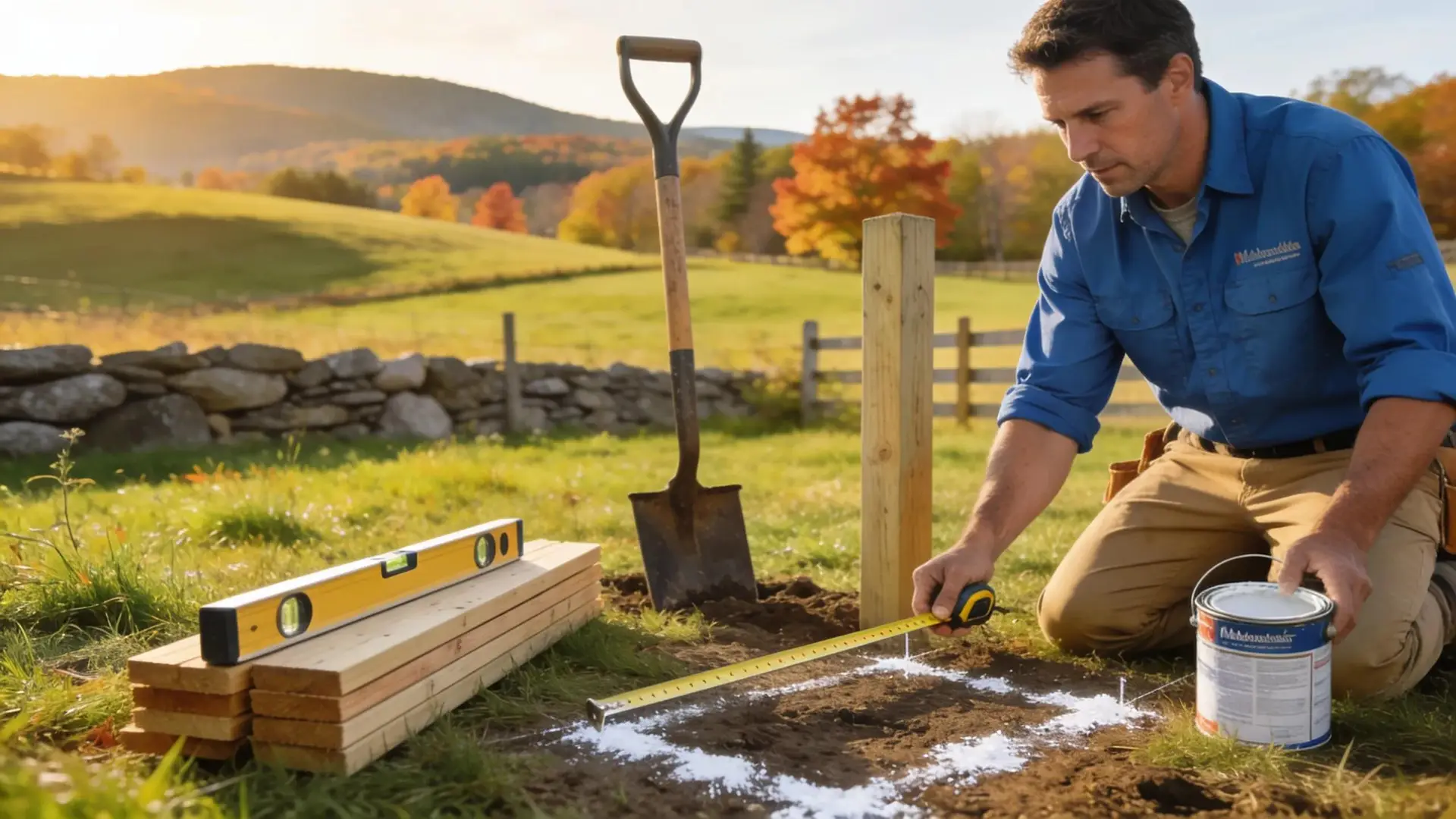
Before the installation process begins, it’s important for homeowners to clear the installation area of debris, rocks, and other obstructions. Marking property lines accurately ensures that the fence is placed correctly, avoiding disputes with neighbors. Additionally, conducting a soil assessment can help determine whether any preparation work is needed to ensure the ground is suitable for post placement, enhancing stability once the fence is installed.
What Maintenance Practices Protect Newly Installed Fences Through Fall and Winter?
Post-installation maintenance is crucial in safeguarding a newly installed fence. Regular inspection routines should be established to identify any early signs of wear, while applying protective treatments can mitigate the effects of harsher winter conditions. Homeowners should ensure that any wooden fences are sealed to protect against moisture and consider physical barriers, such as snow fences, to shield against heavy snowfall impact.
What Do Industry Experts and Associations Recommend About Fall Fence Fence Installation?
Expert consensus indicates that fall provides the most favorable conditions for new fence installations. Various industry associations advocate for leveraging this season to capitalize on its advantages.
How Does the American Fence Association Support Seasonal Installation Guidelines?
The American Fence Association (AFA) offers extensive resources and guidance on optimal installation practices, placing particular emphasis on seasonal considerations. Their recommendations highlight the benefits of installing fences in the autumn, such as improved material handling and scheduling flexibility, which align with best practices for ensuring quality installations.
What Recent Research Validates Fall as the Optimal Fence Installation Season?
Recent studies corroborate the advantages of fall installations based on tangible data regarding weather patterns and soil conditions. Research findings indicate that projects completed in fall demonstrate extended longevity and stability compared to alternatives executed in the less favorable weather conditions of spring and summer. These insights reveal the importance of timing in maximizing the benefits of fencing investments, rendering fall a notably strategic season for this type of home improvement.