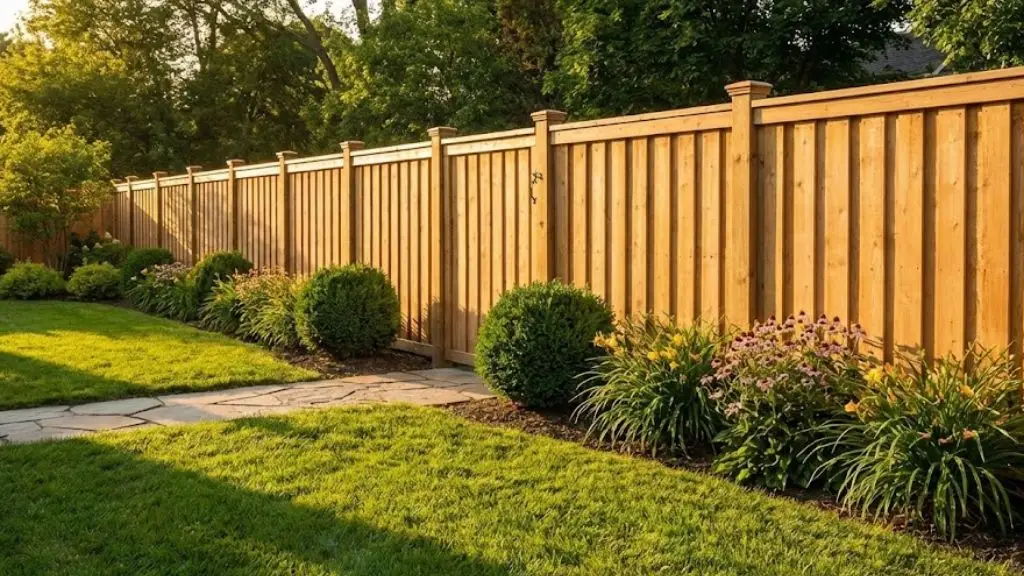
Ultimate Privacy Fence Installation for Your Home: Complete Guide to Materials, Costs, and Legal Considerations
Installing a privacy fence is a significant investment that enhances your home’s security, aesthetics, and value. This comprehensive guide will explore the best materials for privacy fences, the costs associated with installation, and the legal considerations you need to keep in mind. Many homeowners face challenges when selecting the right materials and navigating local regulations, but understanding these aspects can simplify the process. This article will cover the best privacy fence materials, how to navigate height regulations and permits, the step-by-step installation process, resolving neighbor disputes, maintenance tips, and integrating fences with your backyard design.
What Are the Best Privacy Fence Materials for Your Backyard?
Choosing the right materials for your privacy fence is crucial for ensuring durability, aesthetics, and functionality. Various materials are available, each with unique benefits and drawbacks. Understanding these options can help you make an informed decision that aligns with your needs and preferences.
How Do Wood, Vinyl, and Metal Fences Compare in Durability and Maintenance?
Wood, vinyl, and metal are the most common materials used for privacy fences, each offering distinct advantages.
- Wood Fences: Known for their natural beauty, wood fences can last 10-20 years with proper maintenance. However, they require regular staining or painting to protect against rot and pests.
- Vinyl Fences: These fences are highly durable and can last over 20-30 years with minimal maintenance. They resist fading and do not require painting, making them a low-maintenance option.
- Metal Fences: Typically made from aluminum or steel, metal fences are durable and can last several decades. They require little maintenance but may need occasional rust treatment if they are steel; aluminum fences resist rust naturally.
Understanding the lifespan and maintenance requirements of each material can help you choose the best option for your backyard.
Which Fence Materials Offer the Best Privacy and Aesthetic Appeal?
When it comes to privacy and aesthetics, certain materials stand out.
- Wood Fences: They provide excellent privacy and can be customized with various stains and finishes to match your home’s style.
- Vinyl Fences: Available in various colors and styles, vinyl fences can mimic the look of wood while offering superior durability and privacy.
- Metal Fences: While they may not provide as much privacy as wood or vinyl, decorative metal fences, particularly those with privacy slats or panels, can enhance the aesthetic appeal of your yard when combined with landscaping.
Selecting the right material involves balancing privacy needs with aesthetic preferences to create a cohesive look for your home.
For those interested in enhancing their fencing skills, Olympic Fence MA offers expert installation services and can provide guidance on fence selection and maintenance to ensure your project meets your expectations.
How to Navigate Fence Height Regulations and Permit Requirements?
Understanding local regulations regarding fence height and permits is essential before installation. Each municipality has specific rules that dictate how tall your fence can be and whether you need a permit.
The fundamental role of privacy in residential environments has long been recognized, influencing the very regulations that govern fence installations.
Residential Privacy & Site Regulations for Fences
Although safety, livability and appearance are generally accepted as the main purpose of site and space regulation, this study suggests that privacy can be accepted as suitable for control by site and space regulations. The underlying purpose of this study, therefore, is to investigate visual, auditory, olfactory, and physical privacy within the single-family residential environment. Of particular interest to the study are the methods of achieving privacy in the open space within the dwelling yard.
Privacy as an Aspect of the Residential Environment, 1964
What Are Common Local Ordinances Affecting Privacy Fence Height?
Common ordinances often limit fence heights to 6 feet in rear and side yards in residential areas, with additional restrictions for front yards, which typically allow fences up to 3 to 4 feet in height. Some areas may have different rules for corner lots or properties adjacent to public spaces. It’s crucial to check with your local zoning office to understand the specific regulations that apply to your property.
How to Obtain Permits for Privacy Fence Installation?
Obtaining a permit for your privacy fence typically involves submitting an application to your local government. This process may require:
- Documentation: You may need to provide a site plan showing the proposed fence location.
- Application Process: The application can often be submitted online or in person, and fees may apply.
- Timeline for Approval: Approval can take anywhere from a few days to several weeks, depending on your local office’s workload.
Being aware of these steps can help streamline the installation process and ensure compliance with local laws.
What Is the Step-by-Step Process for Privacy Fence Installation?
Installing a privacy fence involves several key steps to ensure a successful project.
- Planning: Determine the fence’s location, height, and materials. Check local regulations and obtain necessary permits.
- Preparation: Clear the area where the fence will be installed, marking the layout with stakes and string.
- Installation: Begin by setting the posts in concrete, ensuring they are level and spaced correctly. Attach the panels or boards to the posts.
- Finishing Touches: Add any decorative elements or treatments, such as paint or stain, to enhance the fence’s appearance.
Following these steps can help ensure a smooth installation process.
What Are the Typical Costs Involved in Installing a Privacy Fence?
The costs of installing a privacy fence can vary widely based on materials, labor, and location.
- Wood Fences: Typically range from $15 to $30 per linear foot, depending on the type of wood and design.
- Vinyl Fences: Generally cost between $20 and $40 per linear foot, reflecting their durability and low maintenance.
- Metal Fences: Can range from $25 to $45 per linear foot, depending on the material and design complexity.
Understanding these costs can help you budget effectively for your fence installation.
How Can DIY Installation Compare to Hiring Professional Contractors?
Deciding between DIY installation and hiring professionals involves weighing the pros and cons of each approach.
- DIY Installation: This option can save money, with costs primarily for materials. However, it requires time, effort, and some level of skill.
- Hiring Professionals: While this option incurs labor costs, it ensures a high-quality installation and can save time. Professionals also handle permits and local regulations.
Evaluating your skills and budget can help you make the best choice for your situation.
Practical applications of fence design, cost estimation, and installation principles are often demonstrated through real-world projects.
Residential Fence Design, Cost Estimate & Installation
This project consists of the design, estimate, and rebuild of a residential fence. The house is located on Kentucky street in San Luis Obispo, California. The project was completed by two Cal Poly Construction Management students, Andrew Shafer and Michael Cerone, during the spring quarter of the 2020 academic school year. These students will be referred to as “the builders” throughout this paper. The beneficiary of the fence was a local San Luis Obispo woman, who lives on the same street as Michael. Michael walked past the beneficiary’s house every morning, and noticed that the backyard fence was in poor condition and needed replacing. The beneficiary was thrilled, and mentioned she had been wanting to replace the fence for years.
Kentucky St. Fence: 3D Model, Price Estimate, and Construction, 2020
How to Resolve Neighbor Disputes Related to Privacy Fences?
Neighbor disputes can arise during fence installation, often due to misunderstandings or differing expectations. Addressing these issues proactively can help maintain good relationships.
What Are Common Causes of Fence-Related Neighbor Disputes?
Common causes of disputes include:
- Property Lines: Disagreements over where property lines are located can lead to conflicts.
- Height and Design: Neighbors may have differing opinions on the height or style of the fence.
- Maintenance Responsibilities: Confusion about who is responsible for maintaining the fence can also cause friction.
Understanding these potential issues can help you navigate conversations with your neighbors more effectively.
What Legal Steps Can Homeowners Take to Settle Fence Conflicts?
If disputes arise, homeowners can take several legal steps to resolve conflicts:
- Mediation: Engaging a neutral third party can help facilitate discussions and find a compromise.
- Documentation: Keeping records of communications and agreements can be helpful if legal action is necessary.
- Legal Action: In extreme cases, homeowners may need to consult a lawyer to understand their rights and options.
Being prepared to address disputes can help ensure a smoother installation process and maintain neighborly relations.
What Are Effective Maintenance Tips to Ensure Privacy Fence Longevity?
Maintaining your privacy fence is essential for ensuring its longevity and appearance. Regular upkeep can prevent costly repairs and extend the life of your fence.
How Often Should Different Fence Materials Be Maintained?
Maintenance frequency varies by material:
- Wood Fences: Should be inspected annually for signs of rot or damage and treated every 2-3 years.
- Vinyl Fences: Require minimal maintenance, typically needing a wash every 1-2 years to remove dirt and debris.
- Metal Fences: Should be checked for rust annually, with touch-ups as needed to prevent corrosion.
Understanding these maintenance needs can help you keep your fence in top condition.
What Are Best Practices for Seasonal Fence Upkeep?
Seasonal maintenance tasks can help protect your fence from the elements:
- Spring: Inspect for winter damage and clean any debris.
- Summer: Check for signs of pests and ensure proper drainage around the fence.
- Fall: Clear leaves and debris to prevent moisture buildup.
- Winter: Remove snow buildup to prevent damage from weight.
Implementing these practices can help ensure your fence remains functional and attractive throughout the year.
How to Integrate Privacy Fences with Backyard Design and Landscaping?
Integrating your privacy fence with your backyard design can enhance the overall aesthetic and functionality of your outdoor space.
What Fence Styles Complement Various Landscaping Themes?
Different fence styles can complement various landscaping themes:
- Traditional: A classic wood fence pairs well with cottage gardens and traditional landscaping.
- Modern: Sleek vinyl or metal fences work well with contemporary designs and minimalist gardens.
- Rustic: A weathered wood fence can enhance the charm of a rustic or natural landscape.
Choosing a style that aligns with your landscaping can create a cohesive look.
How Can Privacy Fences Enhance Outdoor Living Spaces?
Privacy fences can significantly enhance outdoor living spaces by providing seclusion and reducing noise. They create a comfortable environment for relaxation and entertainment, allowing homeowners to enjoy their yards without feeling exposed. Additionally, well-designed fences can serve as a backdrop for landscaping features, such as climbing plants or decorative lighting, further enhancing the outdoor experience.
By understanding the various aspects of privacy fence installation, homeowners can make informed decisions that enhance their properties while ensuring compliance with local regulations. Whether you choose to install the fence yourself or hire professionals like Olympic Fence MA, proper planning and maintenance will ensure your investment lasts for years to come.
Ready to Enhance Your Home with a Privacy Fence?
Contact the experts at Olympic Fence MA today for professional installation, expert advice, and personalized service. Let us help you create the perfect privacy fence that fits your style and needs.