How to Choose the Right Fence for New England Weather: Expert Guide to Durable, Weather-Resistant Fences in Massachusetts
New England’s climate, with its freeze-thaw cycles, heavy snow, coastal salt air, and high winds, demands specific material and installation choices to ensure fence longevity. This guide details which materials, installation methods, and seasonal maintenance strategies reliably extend fence service life in Massachusetts and nearby New England towns. Olympic Fence, a second-generation, family-owned company in West Newbury, MA, specializes in New England-tough solutions, offering cedar, vinyl, chain-link, and a proprietary wood-on-steel post system with a lifetime workmanship warranty. Read on for clear comparisons, technical mitigation strategies, and practical checklists. For a local assessment, Olympic Fence provides fast response and handles permitting — request a free estimate to match a durable design to your property.
What Are the Unique Weather Challenges Affecting Fences in New England?
New England weather imposes four primary failure modes on fences: freeze-thaw and frost heave displacing posts, heavy snow and ice increasing loads, high winds stressing panels and fasteners, and coastal salt air accelerating corrosion. These mechanisms loosen fasteners, warp boards, and promote ground-level rot. Understanding each challenge clarifies why installation detail — post type, drainage, and anchoring — matters as much as material choice.
- Freeze-thaw cycles cause soil expansion and contraction that displaces posts and loosens rail connections.
- Heavy snow and ice increase downward and sideways loads, which can bend rails and topple panels.
- High winds and nor’easters create uplift and panel shear that test fasteners and post anchoring.
- Coastal salt air accelerates rust and degrades metal components if they are not properly galvanized or coated.
How Do Freeze-Thaw Cycles and Frost Heave Impact Fence Durability?
Freeze-thaw cycles cause frost heave, lifting and tilting posts by breaking the bond between the post and surrounding soil. This leads to loose rails, sagging panels, and accelerated wear. Preventative measures include using galvanized steel posts set below frost depth, proper backfill with free-draining aggregate, and avoiding untreated wood in direct soil contact.
What Effects Do Heavy Snow Loads and Ice Accumulation Have on Fences?
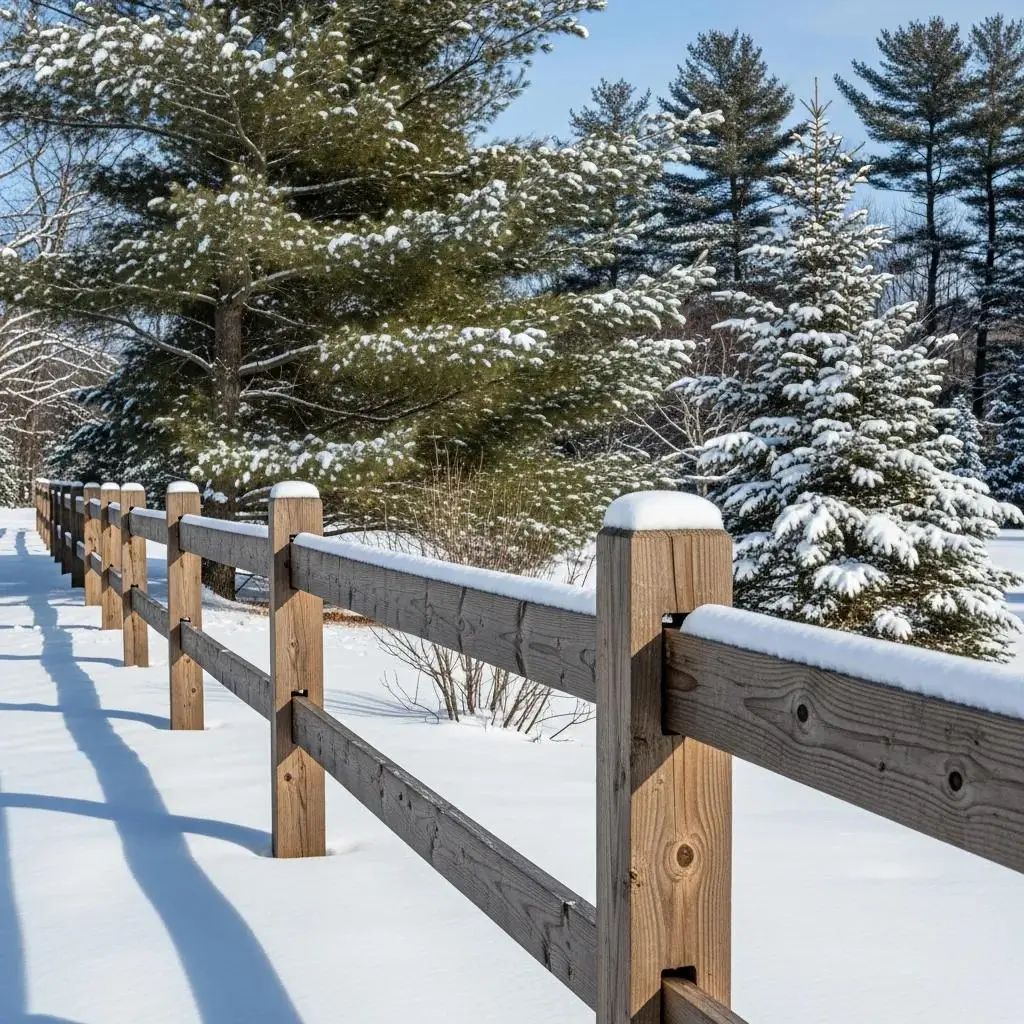
Snow and ice increase vertical and lateral loads on fence panels, and wind-driven snow can exert uneven pressure. This added weight amplifies deflection and can overload rails or posts, causing collapse. Mitigation includes specifying stronger posts, closer post spacing, reinforced rails, and designing panels that shed snow.
Which Fence Materials Offer the Best Durability for Massachusetts Weather?
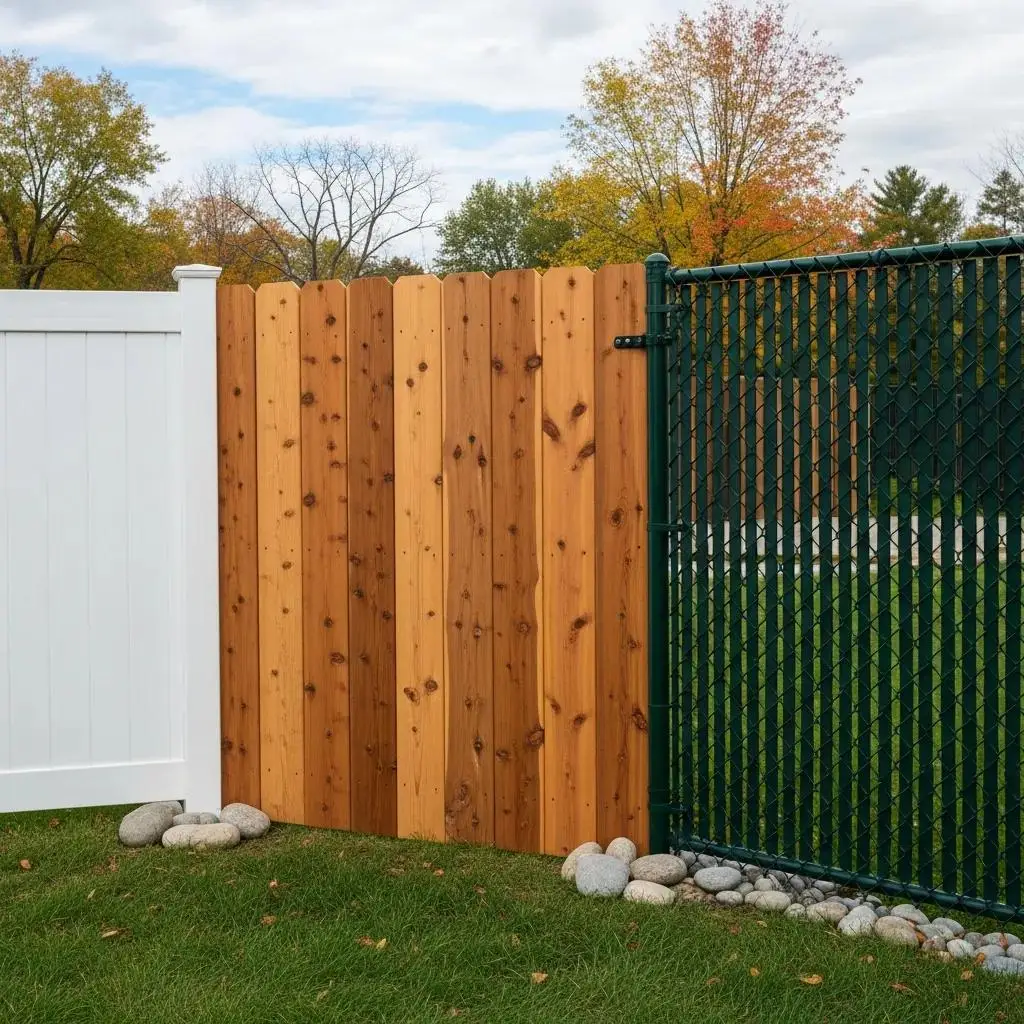
Choosing the best fence for Massachusetts weather depends on exposure: inland yards face freeze-thaw and snow, while coastal properties add salt air and higher winds. Material selection should prioritize rot and corrosion resistance, stiffness under cold, and ease of maintenance. The table below compares common options.
| Material | Weather Vulnerability | Performance / Maintenance / Expected Lifespan |
|---|---|---|
| Vinyl | Cold brittleness and wind uplift in exposed sites | Low maintenance cleaning; 20–30+ years in sheltered locations; requires strong posts in high wind |
| Cedar (wood) | Ground-level rot if in contact with soil; UV fading | Natural rot resistance; needs periodic sealing/staining; 15–30 years with proper installation |
| Chain-link | Corrosion risk near salt air unless coated | Durable and low maintenance; galvanized or PVC coating recommended; 30+ years if protected |
| Wood-on-Steel (wood panels above galvanized posts) | Minimal ground contact for wood; steel corrosion if not galvanized | Combines wood aesthetics with galvanized steel durability; significantly extended lifespan when properly installed |
This table shows that installation methods (e.g., using galvanized steel posts) often shift a material from marginal to ideal in New England climates. Olympic Fence installs vinyl, cedar, and chain-link regularly and can recommend the most appropriate material for a given exposure; they also provide free estimates to match material to site conditions.
Why Is Vinyl Fencing Considered Low Maintenance and Weather Resistant?
Vinyl fences resist rot and insect damage due to their non-organic composition, requiring minimal upkeep. PVC does not wick water, and UV-stabilized formulations slow sun damage. However, vinyl can become brittle in extreme cold, and large panels are susceptible to wind uplift without robust posts. Regular washing and post anchoring inspections maintain stability.
How Does Cedar Fencing Provide Natural Resistance to New England Weather?
Cedar contains natural oils that reduce fungal decay and insect attack, making it popular for outdoor use. This resistance delays rot where wood remains above ground and dry. However, cedar in continuous contact with saturated soil will degrade. Routine sealing or staining slows moisture uptake and UV degradation. Choosing cedar paired with elevated panel attachment or treated base details substantially improves lifespan.
What Makes the Wood-on-Steel Fence System Ideal for New England Conditions?
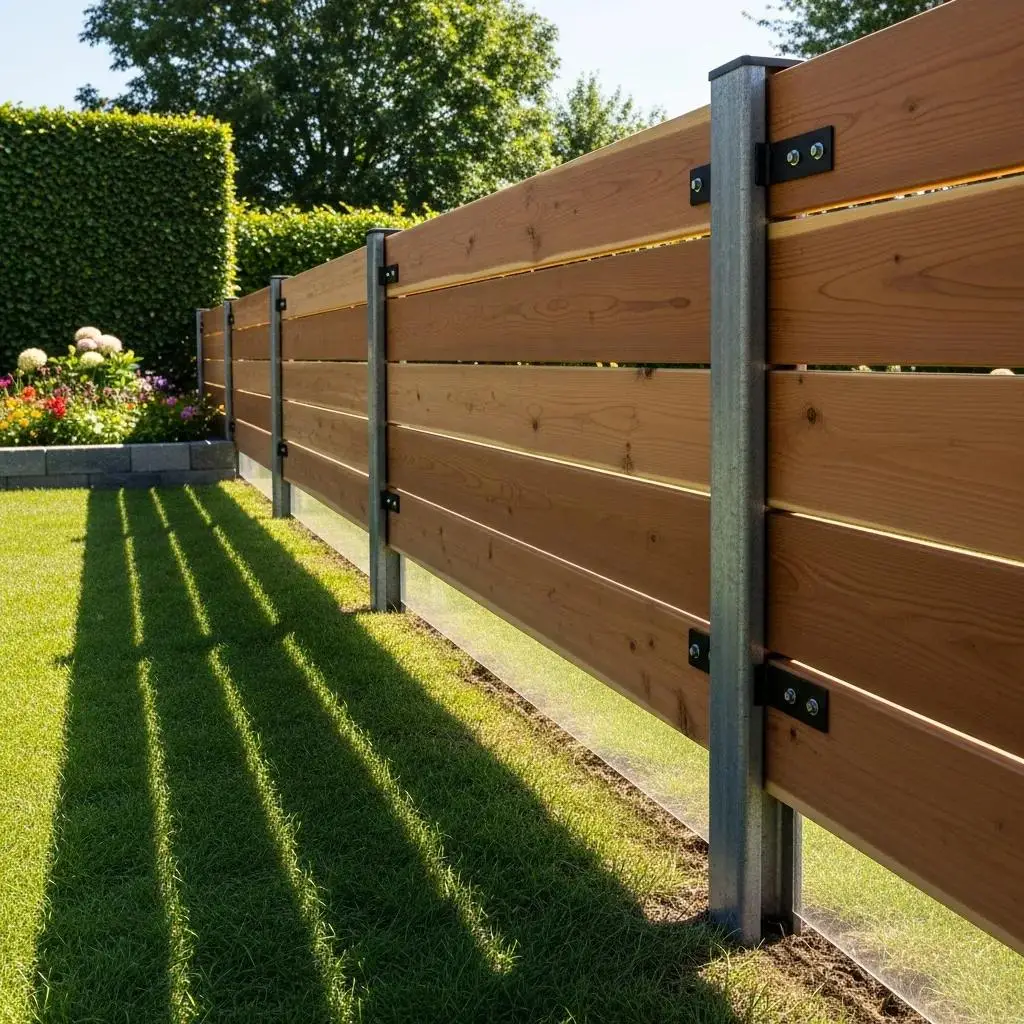
A wood-on-steel fence system separates rot-prone wood elements from the below-ground environment by using galvanized steel posts set into the soil or concrete, mounting wood panels above ground level. This design prevents direct wood-to-soil contact, eliminating the primary cause of ground-level rot. Galvanized steel resists corrosion from salt air and improves resistance to frost heave when embedded below frost depth.
| System Component | Installation Detail | Benefit / Mitigation of Failure Mode |
|---|---|---|
| Galvanized steel post | Set below frost depth with concrete collar or aggregate base | Resists corrosion and prevents post movement from frost heave |
| Wood panel mounting bracket | Above-grade attachment to steel bracket | Keeps wood above soil moisture, eliminating ground-level rot |
| Weather-tolerant fasteners | Stainless or coated hardware for metal-to-wood connections | Prevents galvanic corrosion and loosening from freeze-thaw cycles |
How Does the Wood-on-Steel System Prevent Ground-Level Rot?
The system prevents rot by ensuring wood components never touch the soil, fastening panels to an above-grade bracket on a galvanized steel post. This removes the constant moisture source that promotes fungal decay. Correct post depth, sealed junctions, and breathable gaps for drainage further prevent trapped moisture and enable drying, offering a clear lifecycle advantage over traditional buried wood posts.
What Are the Longevity and Weather Resistance Benefits of This System?
Separating wood from soil reduces rot-related repairs and replacements by decades. Steel posts embedded below frost depth with galvanized coatings limit corrosion from salt air and ground chemistry. Maintenance focuses on above-grade wood, rather than costly post excavations. Homeowners often experience fewer storm-related failures and a lower total cost of ownership.
How Should You Maintain and Protect Your Fence Against New England Weather?
Proactive seasonal maintenance extends fence life by preventing small issues from becoming structural failures. A seasonal checklist helps homeowners prioritize inspections, cleaning, and minor repairs timed to local weather cycles.
| Season | Maintenance Task | Frequency & Outcome |
|---|---|---|
| Spring | Inspect footings and fasteners; wash vinyl; re-seal cedar if needed | Annual; catches frost-heave movement and restores protective coatings |
| Summer | Tighten hardware; trim vegetation away from fence line | Biannual; prevents moisture trapping and insect access |
| Fall | Secure loose rails; remove fallen debris and clear drainage paths | Annual; prepares fence for snow loads and reduces moisture accumulation |
| Winter | Monitor for heavy snow buildup and ice dams; remove excessive snow from panels | As needed after storms; reduces load and prevents panel collapse |
What Seasonal Maintenance Tips Help Extend Fence Lifespan?
Targeted seasonal tasks prevent cumulative damage: spring inspection finds frost-heave shifts, summer cleaning removes biological growth, fall prep readies the fence for snow loads, and winter monitoring addresses storm impacts quickly. These tasks break the chain of deterioration by addressing moisture, mechanical loosening, and corrosion. Document findings and schedule repairs promptly; small fastener replacements are inexpensive compared with post replacement.
How Can You Prevent Common Weather-Related Fence Damage in Massachusetts?
Preventing weather damage starts with specifying corrosion-resistant fasteners and galvanized steel posts, ensuring proper drainage at footing zones, and avoiding burying untreated wood directly in soil. Installation choices like raised panel mounting, gravel backfill, and through-bolted brackets reduce rot, resist uplift, and accommodate soil movement. Homeowner actions—trimming vegetation, avoiding soil contact with wood, and removing snow loads—complement good installation. For issues beyond basic maintenance, engage a professional.
What Are the Key Considerations for Professional Fence Installation in New England?
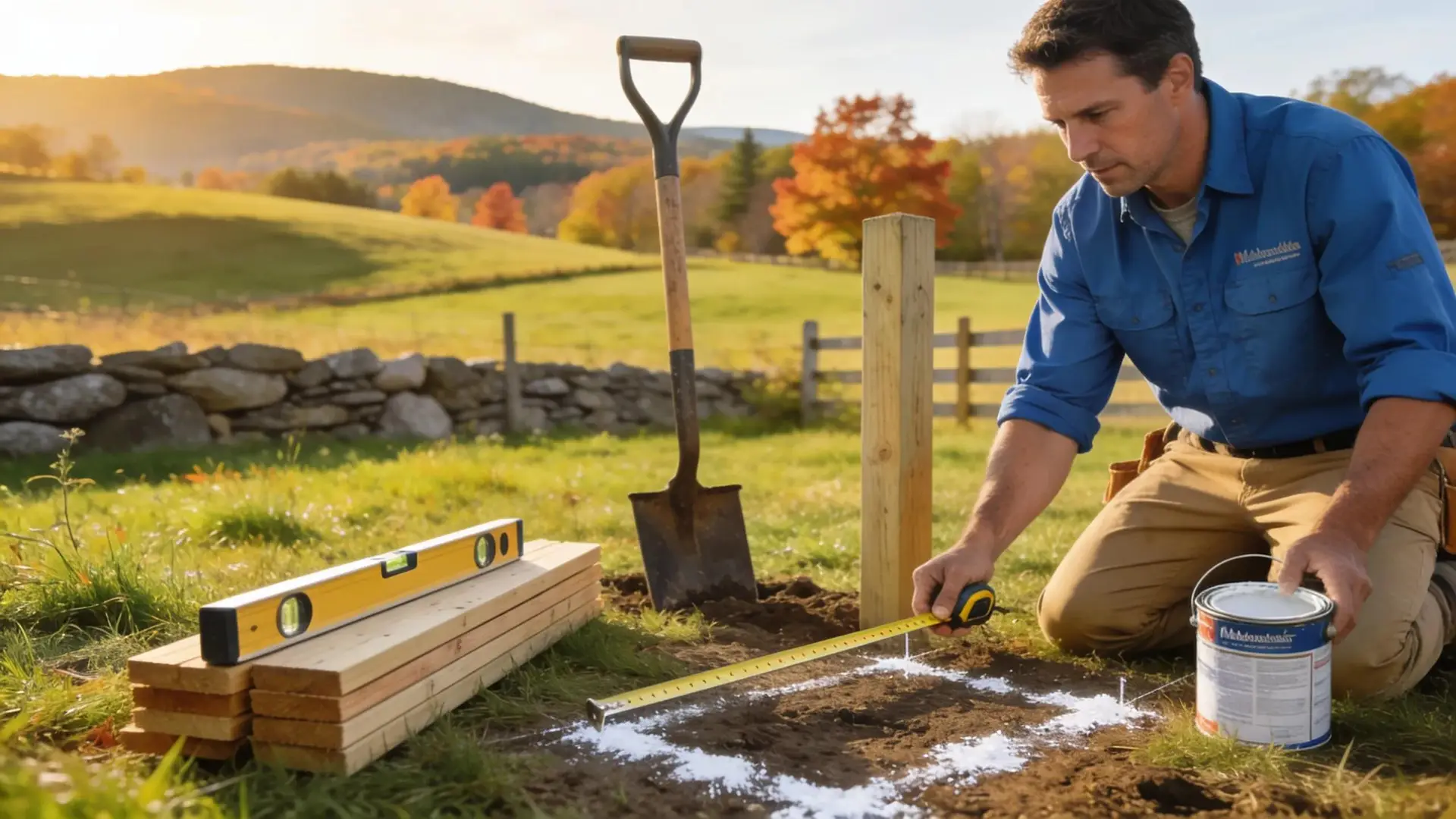
Professional installation focuses on site assessment, correct post depth, drainage, and permitting to ensure durable results. Expert site preparation identifies soil type, frost depth, and underground obstacles, informing choices about concrete collars versus aggregate bases and post sizing. A licensed and insured contractor brings experience in handling variable soils and storm exposures, and a lifetime workmanship warranty shifts long-term repair risk away from the homeowner. The following checklist outlines essential installation considerations:
- Conduct soil assessment to determine frost depth and load-bearing capacity prior to setting posts.
- Select post type and embedment method matching soil and exposure, using galvanized steel where corrosion or frost is a concern.
- Design drainage and backfill to prevent water pooling around footings and reduce frost heave.
Why Is Expert Site Preparation Crucial for Weather-Tough Fences?
Expert site preparation begins with a soil and topography assessment to identify frost depth, drainage pathways, and any utilities or rock ledge. This evaluation determines optimal post setting, concrete collars, or compacted aggregate bases for stability. Properly prepared sites reduce frost heave, prevent water pooling, and avoid premature loosening of fasteners. This upfront work is a cost-effective investment in long-term performance.
How Does Olympic Fence’s Lifetime Workmanship Warranty Provide Assurance?
Olympic Fence backs installation with a lifetime workmanship warranty covering defects in installation, providing clear recourse for structural problems. This warranty, combined with licensed and insured status and American Fence Association membership, signals adherence to industry best practices for frost-proof anchoring, drainage, and corrosion mitigation. Olympic Fence also manages permitting and compliance, saving homeowners time and ensuring installations meet municipal requirements. These assurances make selecting an experienced installer a reliable way to protect your investment.
How Do Local Regulations and Permits Affect Fence Installation in Massachusetts?
Permit requirements in Massachusetts vary by town, commonly addressing fence height, location relative to property lines, visibility at corners, and pool-safety standards. Understanding local rules prevents costly rework and delays. Some municipalities require plans or inspections for fences over a certain height or within specific setback zones. A contractor familiar with local codes can streamline approvals.
| Permit Topic | Typical Requirement | Homeowner Action |
|---|---|---|
| Height limits | Town may restrict fence heights for front yards and visibility at intersections | Check local zoning or consult contractor before ordering materials |
| Setbacks & lines | Regulations often require fences to be set back from property lines or easements | Verify survey and mark boundaries before installation |
| Pool fencing | Stricter standards apply to enclosures around pools for safety | Prepare for required gates, self-closing hardware, and higher inspections |
What Are the Massachusetts Fence Permit Requirements Homeowners Should Know?
Common permit triggers include fences exceeding local height thresholds, fences near rights-of-way or sightlines, and enclosures for pools or commercial properties. Towns may require a site plan, property line verification, and specific construction details. Because requirements vary, homeowners should consult their local building or zoning office or rely on a contractor who regularly files applications in the area. Proper permitting ensures code compliance and reduces the risk of enforcement actions.
How Does Olympic Fence Handle Permitting and Compliance Efficiently?
Olympic Fence manages permitting and compliance by preparing necessary site documentation, submitting applications, and coordinating inspections, reducing homeowner administrative burden. Their local experience on the North Shore and in Southern New Hampshire streamlines approvals. This permit handling, combined with fast response and a lifetime workmanship warranty, helps homeowners move from decision to durable, code-compliant fence installation more quickly. Contact Olympic Fence for a free estimate and to discuss how permitting will be managed for your specific project.