Best Fence Type for Dogs by Yard Size: Massachusetts Homeowner's Ultimate Guide
Choosing the right fence for your dog is crucial for their safety and your peace of mind. With various fence types available, understanding how yard size influences your choice is essential. This guide will help Massachusetts homeowners navigate the complexities of selecting the best dog fence based on yard size, ensuring that your furry friend has a secure and comfortable environment. You will learn about the recommended fence types for small, medium, and large yards, how to match fence height and material to your yard size, and the installation steps and local regulations to consider. By the end of this article, you will be equipped with the knowledge to make an informed decision that meets both your dog’s needs and your property requirements.
How Does Yard Size Influence the Best Dog Fence Choice?
Yard size plays a significant role in determining the most suitable dog fence. Larger yards may require more robust fencing solutions to contain energetic dogs, while smaller yards might benefit from simpler designs. The choice of material and height is also influenced by the yard’s dimensions, as different breeds have varying needs based on their size and behavior. Additionally, local regulations may dictate specific height requirements, which can further impact your decision. Understanding these factors will help you select a fence that not only secures your dog but also complements your property.
What Are the Recommended Fence Types for Small, Medium, and Large Yards?
When selecting a fence for your dog, it’s essential to consider the size of your yard. Here are some recommended fence types based on yard size:
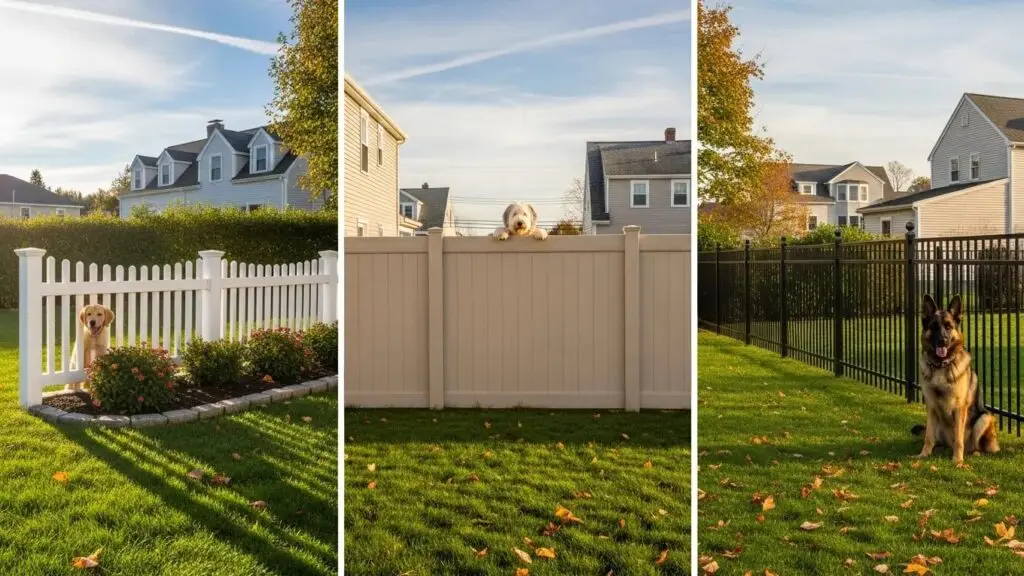
- Small Yards: For smaller spaces, a picket fence or a low chain link fence can provide adequate containment without overwhelming the area. These options are often more affordable and easier to install.
- Medium Yards: A vinyl fence or a taller chain link fence is ideal for medium-sized yards. These materials offer durability and can withstand the wear and tear of active dogs while providing a secure environment.
- Large Yards: For larger properties, a solid wood fence or a high vinyl fence is recommended. These options provide maximum security and privacy, ensuring that your dog remains safe while enjoying ample space to roam.
How to Match Fence Height and Material to Your Yard Size?
Matching the height and material of your fence to your yard size is crucial for effective containment. For small yards, a fence height of 3-4 feet is typically sufficient, while medium yards may require a height of 4-6 feet to prevent jumping. Large yards often necessitate fences that are 6 feet or taller, especially for larger breeds known for their jumping abilities.
Material selection is equally important. Vinyl and wood fences offer solid barriers, while chain link fences provide visibility and airflow. Consider your dog’s behavior; for instance, if your dog is prone to digging, a fence with a buried bottom or a solid base may be necessary to prevent escapes.
While physical fences offer robust containment, studies highlight the varying effectiveness of different fence types, including electronic systems, in preventing dog escapes.
Which Dog Fence Materials Offer the Best Safety and Durability in Massachusetts?
When it comes to dog fencing, safety and durability are paramount. In Massachusetts, the climate can affect the longevity of various materials. Here’s a comparison of popular dog fence materials:
| Material | Safety Features | Durability | Maintenance Level |
|---|---|---|---|
| Vinyl | Non-toxic, smooth edges | High | Low |
| Chain Link | Visibility, can add slats for privacy | Moderate | Moderate |
| Wood | Solid barrier, customizable | Moderate to High | High |
What Are the Pros and Cons of Vinyl and Chain Link Dog Fences?
Vinyl and chain link fences each have their advantages and disadvantages.
- Vinyl Fences:Pros: Low maintenance, durable, and available in various styles. They are also resistant to weather and pests.Cons: Higher initial cost compared to chain link and may not provide the same level of visibility.
- Chain Link Fences:Pros: Affordable, easy to install, and provide good visibility. They can be customized with slats for added privacy.Cons: Less durable than vinyl and may require more maintenance over time.
How Do Material Durability and Maintenance Levels Compare for Dog Fencing?
Durability and maintenance are critical factors when selecting a dog fence. Vinyl fences are known for their longevity and require minimal upkeep, making them an excellent choice for busy homeowners. Chain link fences, while durable, may need occasional rust treatment and tightening of fittings. Wood fences, although aesthetically pleasing, require regular staining or painting to protect against the elements, which can be time-consuming.
How Does Dog Size and Behavior Affect Fence Type Selection?
Dog size and behavior significantly influence the type of fence you should choose. Larger dogs often require taller and sturdier fences to prevent jumping or digging. Additionally, the energy level of your dog plays a role; active breeds may need more robust fencing solutions to contain their energy.
What Fence Features Are Essential for Small, Medium, and Large Dogs?
When selecting a fence, consider the following features based on your dog’s size:
- Small Dogs: A fence height of 3-4 feet is usually sufficient, with a solid base to prevent digging.
- Medium Dogs: A height of 4-5 feet is recommended, with materials that can withstand chewing or scratching.
- Large Dogs: Fences should be at least 6 feet tall, with sturdy materials to prevent escape.
How to Ensure Pet Safety Through Proper Fence Height and Design?
To ensure your pet’s safety, it’s essential to choose the right fence height and design. For instance, consider adding features like:
- Anti-digging barriers: Burying the fence a foot underground can prevent dogs from digging underneath.
- Slanted tops: A slanted or angled top can deter jumping.
- Solid panels: For dogs that are prone to jumping, solid panels can prevent them from seeing outside distractions that may encourage them to leap.
What Are the Installation Steps and Local Regulations for Dog Fences in Massachusetts?
Installing a dog fence involves several steps, including planning, obtaining permits, and following local regulations. In Massachusetts, homeowners should check local zoning laws to ensure compliance with height and placement regulations.
How to Navigate Massachusetts Dog Fence Installation Requirements?
To navigate the installation requirements in Massachusetts, follow these steps:
- Check Local Zoning Laws: Understand the regulations regarding fence height and placement.
- Obtain Necessary Permits: Some towns require permits for fence installation, especially for taller fences.
- Plan Your Layout: Mark the area where the fence will be installed, considering any obstacles or property lines.
What Are the Typical Installation Costs and Timelines?
The cost of installing a dog fence can vary widely based on the material and size of the yard. On average, homeowners can expect to pay between $1,500 and $3,000 for a standard installation, depending on the complexity of the project. Installation timelines can range from a few days to a couple of weeks, depending on the size of the yard and the type of fence being installed. For professional services, consider dog fence installation providers in Massachusetts.
How to Maintain Your Dog Fence for Longevity and Safety?
Regular maintenance is essential to ensure the longevity and safety of your dog fence. Here are some best practices:
- Inspect Regularly: Check for any damage or wear, especially after severe weather.
- Clean the Fence: Remove debris and dirt to prevent deterioration, particularly for wood and vinyl fences.
- Repair Damage Promptly: Address any issues immediately to prevent escapes or injuries.
What Are the Best Maintenance Practices for Vinyl and Chain Link Fences?
For vinyl fences, regular cleaning with soap and water is sufficient to maintain their appearance. Chain link fences may require rust treatment and tightening of fittings to ensure stability. Both types benefit from periodic inspections to identify and address any potential issues.
How to Troubleshoot Common Dog Fence Issues?
Common issues with dog fences include gaps, leaning panels, and rust. To troubleshoot these problems:
- Gaps: Fill in any gaps with soil or gravel to prevent escapes.
- Leaning Panels: Re-secure panels to ensure they stand upright.
- Rust: Treat rust spots on chain link fences with rust-resistant paint or replace affected sections.
What Are Frequently Asked Questions About Dog Fencing in Massachusetts?
Homeowners often have questions regarding dog fencing, particularly about regulations and best practices.
What Is the Best Fence Height for Different Dog Breeds?
The best fence height varies by breed. For small breeds, a height of 3-4 feet is typically sufficient, while medium breeds may require 4-5 feet. Large breeds often need fences that are at least 6 feet tall to prevent jumping.
How to Choose the Right Fence Type Based on Yard and Dog Size?
Choosing the right fence type involves considering both your yard size and your dog’s behavior. For small yards, a picket or low chain link fence may suffice, while larger yards may require solid wood or high vinyl fences for maximum security. Always consider your dog’s size and energy level when making your selection.
To further enhance your yard’s aesthetic appeal and security, consider exploring options like privacy fencing. These fences not only provide a secure boundary for your pets but also offer an added layer of seclusion and style to your outdoor space.
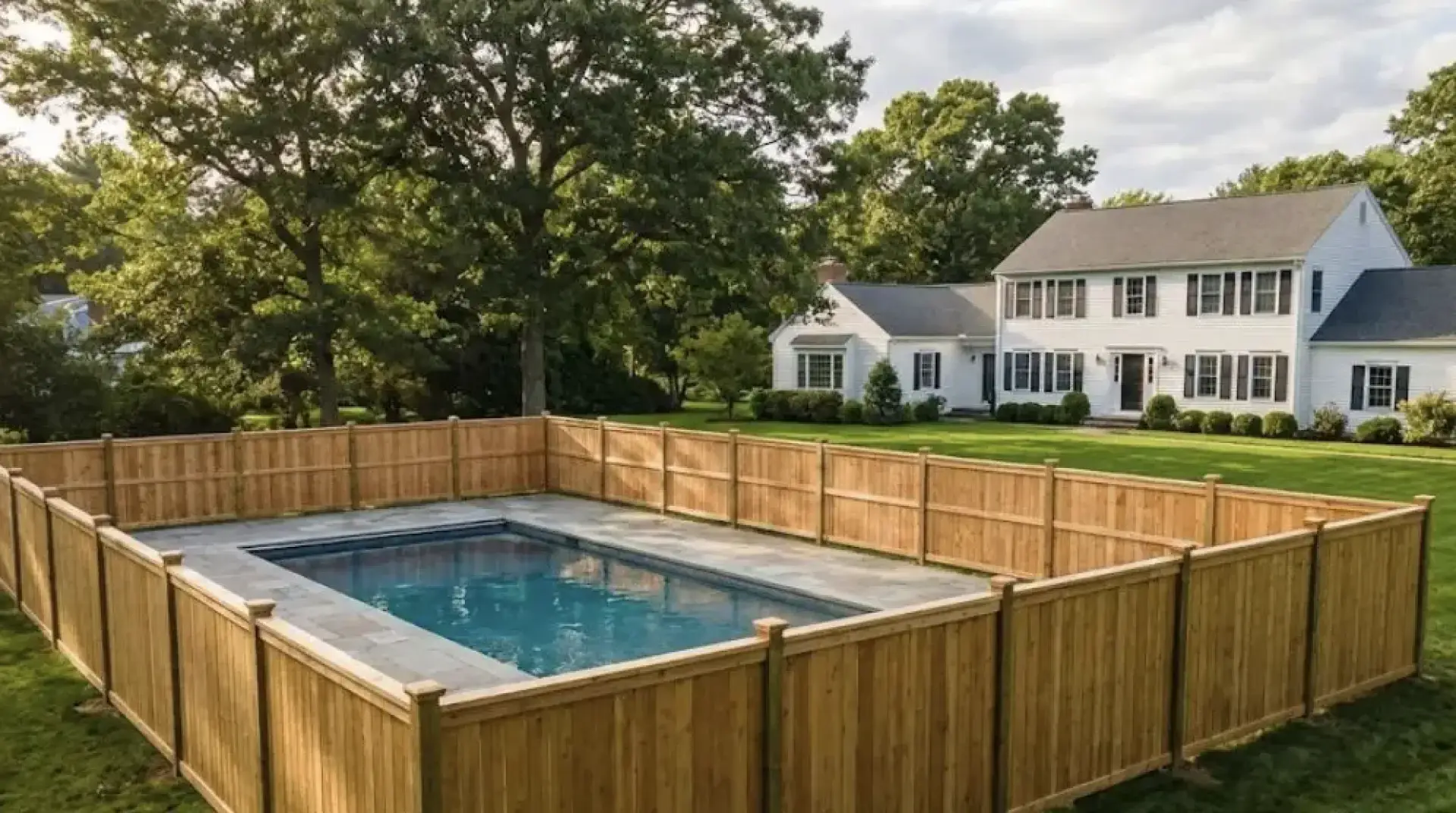
For those considering adding a pool, remember that safety is paramount. Pool fencing is essential to protect both children and pets from accidental falls. Ensure your pool area is compliant with local safety regulations for peace of mind.
When considering your fencing needs, it’s essential to choose a reliable provider. Olympic Fence offers a range of high-quality fencing solutions to meet your specific requirements, ensuring both durability and aesthetic appeal for your property. Learn more about us on our About Us page or get in touch via our Contact Us page.