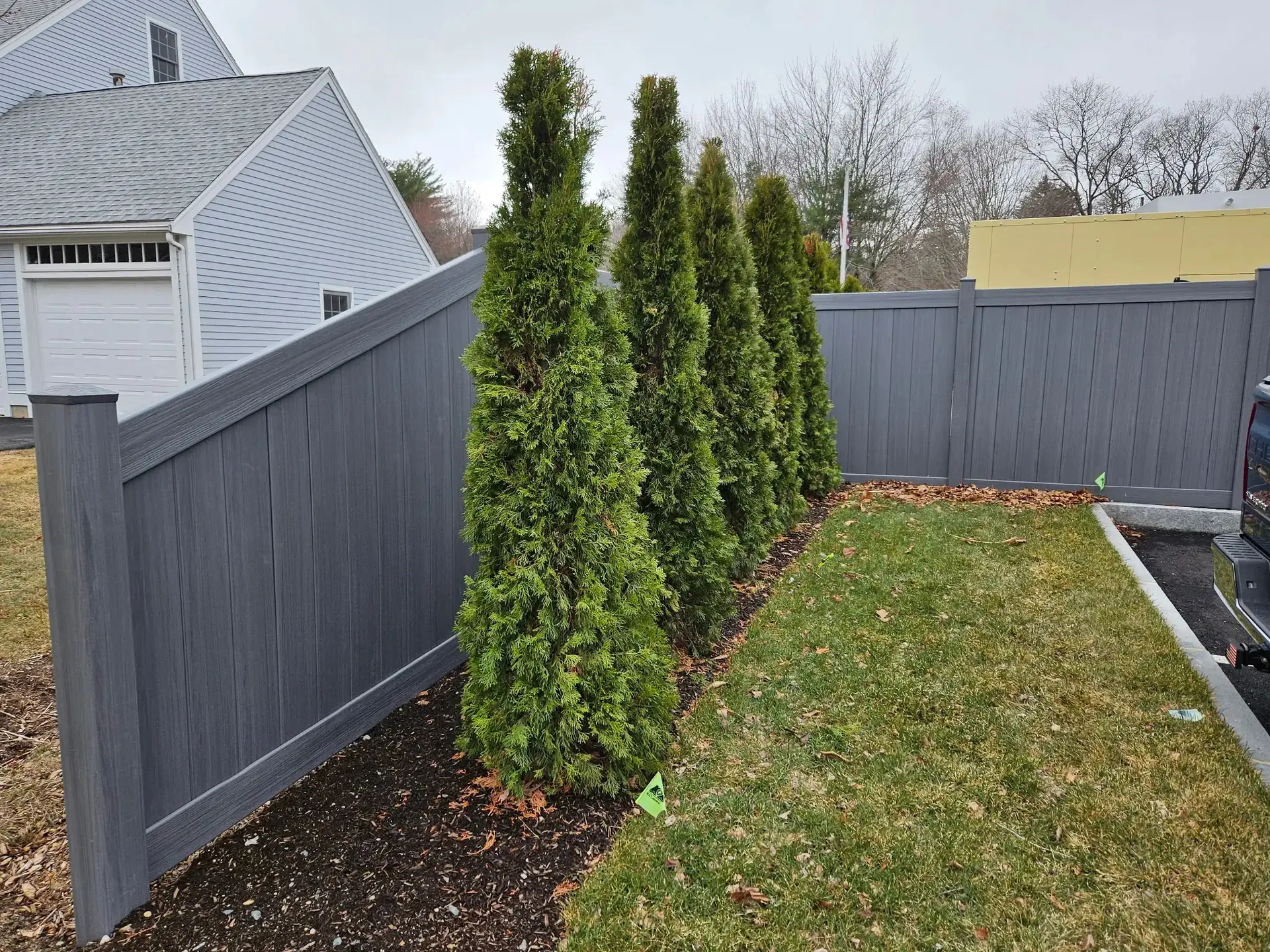
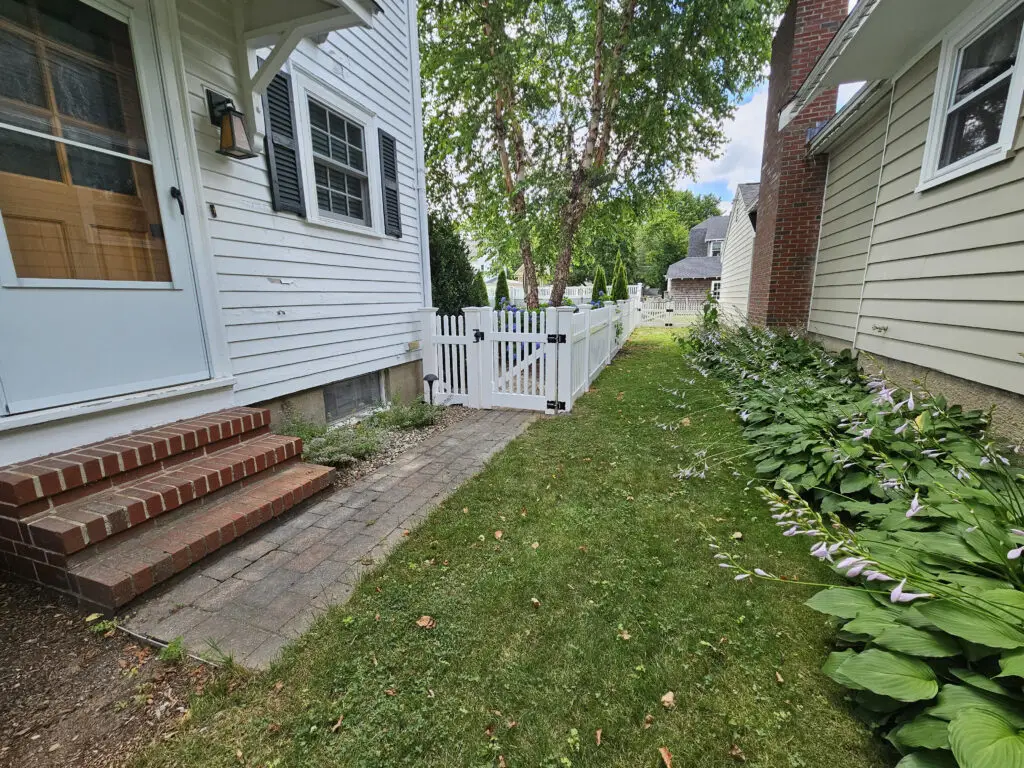
Winter fence installation in Massachusetts proceeds successfully once ground conditions remain workable, since frost depth, not calendar dates, determines feasibility. Olympic Fence Co adjusts digging methods, post-setting techniques, and material handling for cold temperatures. Experienced crews evaluate frozen ground case by case, often completing projects that match summer-built quality, all backed by a lifetime workmanship warranty.
Key Takeaways
Winter fence installation succeeds with proper techniques and professional-grade equipment handling frozen Massachusetts ground for privacy fence installation.
Experienced fence crews’ 40+ years of experience ensures cold-weather installations meet structural integrity standards for posts and vinyl fence installation.
Frozen ground requires modified digging methods and adjusted pacing compared to standard seasonal fence installation processes including chain link fence installation.
Licensed and insured crews respond to winter installation inquiries with smooth communication and quality support for ornamental aluminum and steel fencing.
Can You Install a Fence in Massachusetts Winter?
Fence installation during a Massachusetts winter is generally possible, provided the ground stays workable and the crew manages the job with the right techniques. Homeowners across the state often assume frost and snow force a hard stop on outdoor construction. That assumption costs them months of waiting when a new fence could already be protecting the yard, securing a pool, or containing a dog.
Cold weather does not shut down fence work outright. Winter fence installation in Massachusetts simply demands a different process, different tools, and a different pace than a July build. Crews adjust how they dig, how they set posts, and how quickly they move between steps. The end result holds to the same standard.
Modern equipment changes the math on what counts as possible in the cold.
Is winter fence installation actually efficient, or just possible?
Professional-grade equipment and refined techniques now make cold-weather fence installation efficient rather than merely survivable. Power augers, insulated concrete mixes, and tested anchoring methods let crews maintain steady progress even when frost has set into the soil. The gap between a summer install and a winter one has narrowed considerably for crews equipped to handle it.
What does it take to install fence posts in winter successfully?
Setting fence posts in frozen or partially frozen ground requires equipment and judgment that casual installers rarely have. Success depends on three factors:
Ground condition assessment before any digging begins
Proper equipment suited to frost depth and soil type
Experienced crew judgment on timing and setting methods
Experienced fence crews bring over 40 years of experience to winter projects across Massachusetts, applying that history to every post set in cold ground. That depth of practice, backed by a lifetime workmanship warranty, gives homeowners confidence that a winter build will perform exactly like one installed in warmer months.
How Does Frozen Ground Affect Fence Posts?
Frozen soil changes how a post goes into the ground, not whether it can go in at all. Massachusetts frost depths vary by winter and by region, and that variation dictates the tools a crew needs on site. Can a fence be installed in winter? Yes, but the equipment list looks different than it does in July.
Standard post-hole digging relies on soft, workable earth. Once the ground hardens, crews turn to power augers, pre-drilling methods, or post-driving equipment to break through frost layers. Soil type matters too: sandy soil across Cape Ann behaves differently under frost than the dense clay common inland. A crew equipped for winter fence installation in Massachusetts adjusts its approach site by site rather than relying on one method for every yard, including for privacy fence installation, vinyl fence installation, chain link fence installation, and ornamental aluminum and steel fencing.
Vinyl fence installation can still go well in cold months, but panels should be handled with care because vinyl gets stiffer in the cold.
Does Frost Affect Fence Posts After Installation?
Yes. Freeze-thaw cycles expand and contract the soil surrounding a post, and that movement works against shallow-set posts over time. Posts set above the frost line risk heaving upward as the ground swells, then shifting again when it thaws. The result shows up months later as leaning posts or gates that no longer close square.
Can You Install Fence Posts in Winter Without Long-Term Problems?
Depth and material make the difference. Fence posts installed in winter need to reach below the frost line, regardless of season, to resist this cycle. Experienced crews address this with a proprietary wood-on-steel post system engineered to resist the ground rot that ends most New England fences early, a meaningful advantage in soil that freezes, thaws, and shifts year after year. Every installation also carries a lifetime workmanship warranty, giving homeowners assurance that stands up to Massachusetts winters for the life of the fence.
Can You Install Fence Posts in Winter?
Fence posts can go into frozen Massachusetts ground when crews use the right anchoring methods and manage snow on site properly. Can you install fence posts in winter without compromising structural integrity? Yes, provided the ground gets prepped correctly before a single post goes in.
Frozen soil changes the entire approach. Crews anchoring posts in winter conditions need specialized techniques to break through frost layers. Snow accumulation on a job site has to be cleared and managed throughout the project. Skipping these steps risks posts that shift or lean once spring thaw sets in, undermining the whole structure.
Massachusetts homeowners considering cold-weather post work benefit from a crew that handles the job directly rather than farming it out. Experienced fence crews run an 8-person crew that manages post installation in house, with no subcontractors brought in to handle the specialized winter work. That matters when frozen-ground anchoring requires consistent technique from post to post across an entire fence line.
Does a Winter Fence Project Need Different Equipment?
Winter post installation often calls for equipment suited to frost conditions, along with a plan for clearing snow as work progresses. A licensed, insured contractor matters here, since specialized machinery operating on residential property carries risk that homeowners should not absorb themselves. Experienced crews are licensed and insured for exactly this type of work.
Is Post Installation Different for Residential Versus Commercial Projects?
Post depth, spacing, and anchoring vary by project type, whether the work is residential, commercial, or municipal. Experienced crews install all three categories, covering the full range of post work that Massachusetts winter projects demand. A pool fence post and a commercial security post face different frost and load conditions, and experience across both matters.
Should You Wait or Book a Winter Install?
Booking now beats waiting until spring for most Massachusetts properties, provided ground conditions allow proper post-setting. Can you install a fence in the winter and still get solid results? Yes, and three practical advantages separate a winter booking from a spring one.
Beating the spring rush, Contractor calendars across Massachusetts fill quickly once warmer weather arrives, pushing new projects weeks or months out.
Potential savings, Off-season scheduling often opens pricing flexibility that disappears during peak demand.
Faster scheduling, Fewer competing projects mean crews can start sooner rather than later.
These three benefits answer the broader question of can a fence be installed in winter with practical, not just technical, reasoning. Homeowners weighing a winter fence installation Massachusetts timeline should factor scheduling pressure into the decision, not just weather.
Speed of response separates a locked-in slot from a missed one. Homeowners are invited to call Olympic Fence Co. and ask about current winter scheduling. Every install the company completes, including winter builds, carries a lifetime workmanship warranty, a standard few North Shore crews match.
Does the ground condition decide whether you should wait?
Frozen soil complicates digging but rarely rules out a project entirely. Crews equipped for cold-weather work answer can you install fence posts in winter by adjusting tools and technique rather than postponing.
Do permits change based on season?
Permit requirements stay the same regardless of season. Massachusetts fence rules run on two levels: a state baseline under Massachusetts General Laws Chapter 49, plus local zoning bylaws set independently by each of the state’s 351 cities and towns. Confirming local rules before crews arrive avoids delays once ground work begins, answering can you install a fence in winter without permit surprises.
What Should Massachusetts Homeowners Do Next?
Massachusetts homeowners weighing a cold-season project should start by verifying a contractor’s history, licensing, and warranty terms before signing anything. Winter fence installation Massachusetts residents trust comes down to one factor more than any other: a company with a trusted record in the region’s frozen ground and unpredictable weather. Experienced fence crews have operated in Massachusetts since 1985, giving homeowners decades of local performance to review before booking a job this season.
Research alone isn’t enough. Homeowners should also confirm what the process looks like once a crew arrives. Clear communication, a written estimate, and a crew that follows through from the first phone call to the final walkthrough separate reliable contractors from the rest. cite-4 That consistency matters more in January than in June, when frozen soil and shorter daylight hours leave less room for error.
Can a fence be installed in winter without sacrificing quality?
Yes, provided the contractor has experience adapting techniques to frozen or partially frozen soil. Experienced fence crews serve communities like Haverhill within roughly a 15-mile radius. Backs every installation with a lifetime workmanship warranty, a standard that applies across its Massachusetts service area regardless of season. cite-3
Can homeowners install fence posts in winter near the North Shore?
Yes, when the crew understands local soil conditions and frost depth. Based in West Newbury, Massachusetts, Olympic Fence Co. sits close to the North Shore towns planning winter projects, which shortens response time and simplifies scheduling.
Before hiring anyone, homeowners should ask for:
Proof of licensing and insurance
A written estimate with scope and timeline
Warranty terms in writing
References from recent winter installations
FAQ
Can you install a fence in Massachusetts during winter?
Fence installation proceeds successfully once ground conditions remain workable, since frost depth determines feasibility rather than the calendar date. Experienced fence crews adjust digging methods and post-setting techniques for cold temperatures across Massachusetts, including privacy fence installation and vinyl fence installation.
What equipment handles frozen ground for fence posts?
Crews turn to power augers, insulated concrete mixes, and tested anchoring methods once soil hardens past standard digging capability. This equipment keeps installation progress steady despite frost in the ground and is used for chain link fence installation and ornamental aluminum and steel fencing.
Does a winter-installed fence match summer quality?
Experienced crews evaluate frozen ground case by case, often completing projects that match summer-built quality. Olympic Fence Co backs winter installations with the same lifetime workmanship warranty. Call Olympic Fence to ask about current winter scheduling for your project.
Conclusion
In closing, winter ground conditions present genuine obstacles to fence installation in Massachusetts, yet experienced contractors equipped with proper methodology and equipment execute successful projects throughout the frozen season. The decision to proceed depends on soil composition, frost depth, and project specifications, variables that warrant professional assessment rather than assumption. Consulting with a licensed, insured fencing contractor who understands regional soil conditions ensures your installation meets structural standards regardless of season.