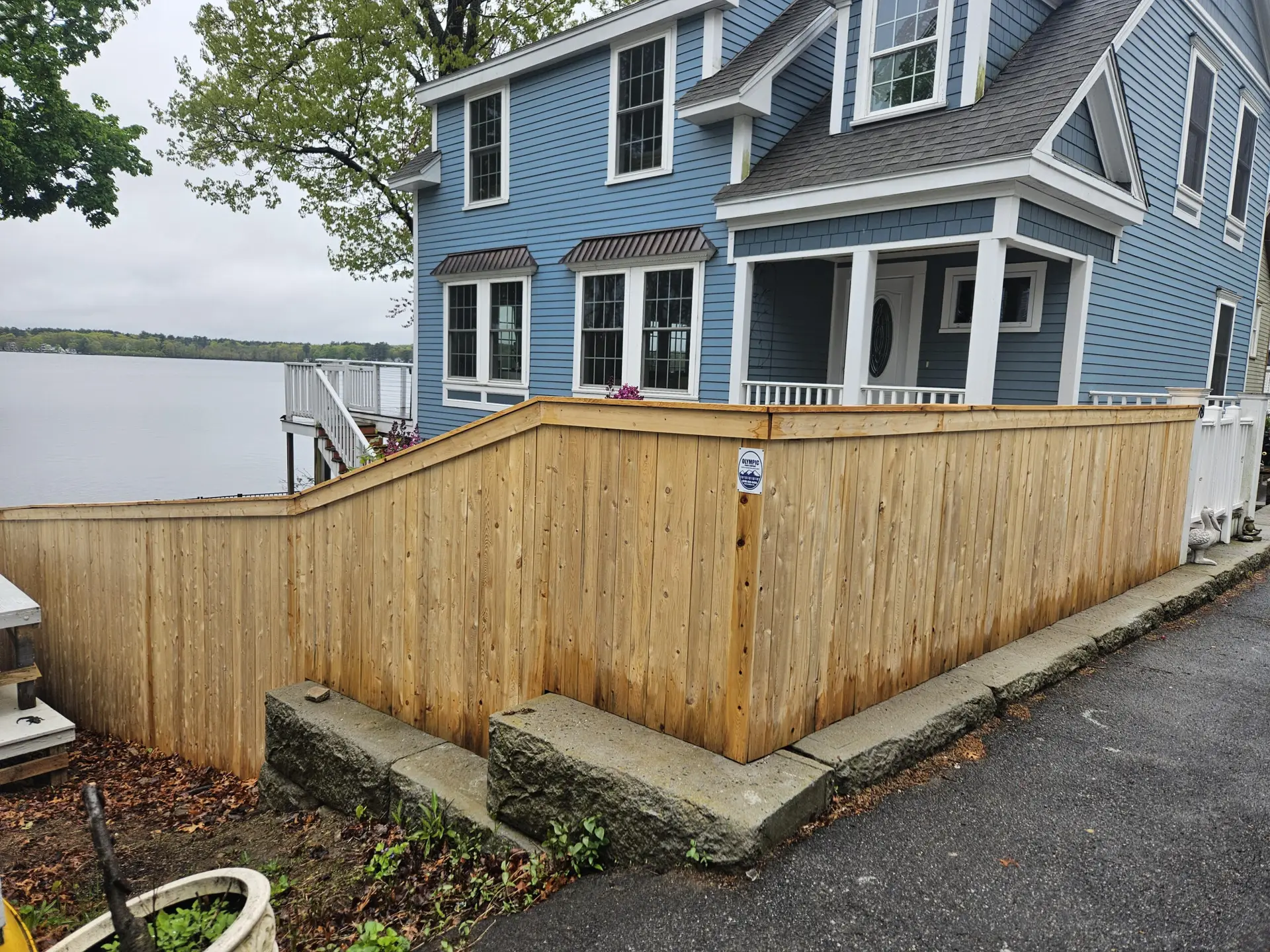
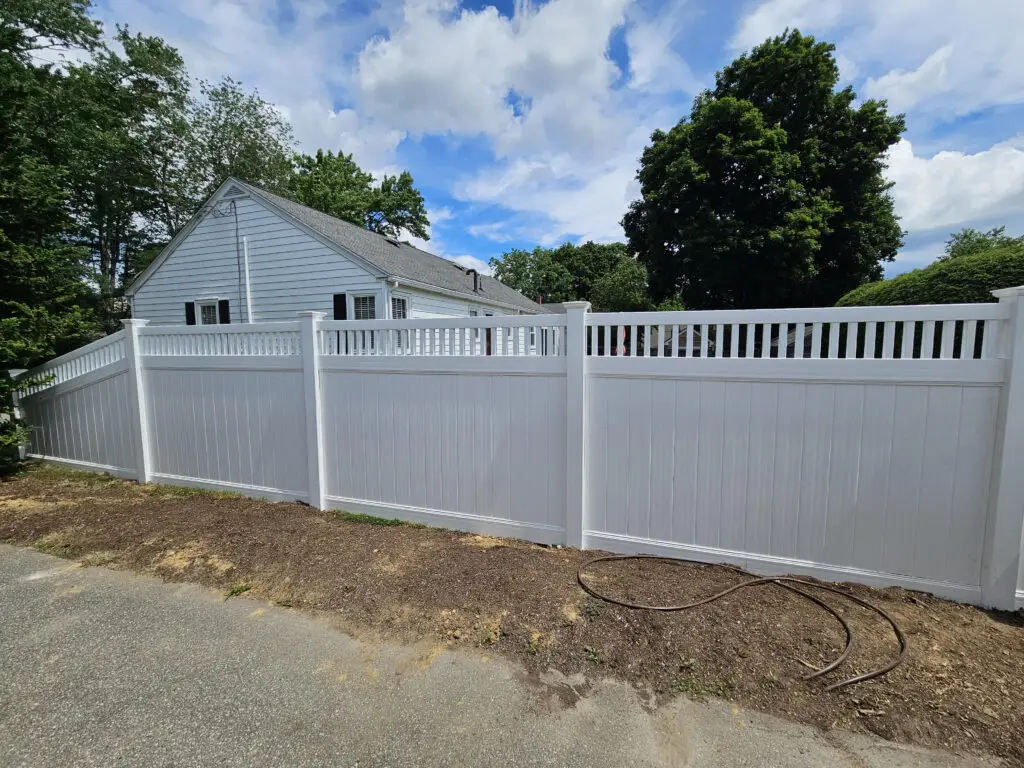
Fall ranks as an ideal season for Massachusetts pool fence installation. Cooler temperatures and lighter contractor schedules allow faster project completion before ground freeze. Olympic Fence Company installs aluminum, ornamental steel, and wood-on-steel pool fencing across the North Shore, backed by a lifetime workmanship warranty and compliance with Massachusetts pool safety codes.
Key Takeaways
Olympic Fence Co installs pool fences year-round, including Massachusetts’s off-season fall months.
Our licensed and insured team completes installations with precision across 40+ years of experience.
We respond to new pool fence inquiries from West Newbury, MA.
Olympic Fence Co designs custom residential pool fencing solutions meeting all safety compliance requirements.
Why Do Massachusetts Pools Require A Fence?
Massachusetts law mandates a barrier around every residential pool, not as a suggestion but as a legal requirement. Families who skip this step risk more than fines. They risk the safety of children and pets who wander near open water without warning. A pool fence closes that gap, creating a secure boundary that blocks accidental access while giving homeowners real peace of mind.
The state does not leave compliance to guesswork. Massachusetts General Laws Chapter 49 sets the baseline standard that applies statewide, but the rules do not stop there. Each of the state’s 351 cities and towns layers its own zoning bylaws on top of that foundation. A fence height or gate latch that satisfies one town’s code may fall short in the next. Homeowners need to confirm local requirements before installation begins.
Does A Pool Fence Have To Meet A Specific Height?
Height and construction standards vary by municipality, since local bylaws build on the state’s baseline rules under Chapter 49. Homeowners should check with their town before finalizing fence plans.
What Happens If A Pool Lacks A Compliant Fence?
An uncompliant pool risks code violations and leaves children and pets exposed to preventable accidents. Beyond legal exposure, the real cost is the safety gap a missing barrier creates.
A properly installed pool safety fence delivers three benefits at once:
Legal compliance with Massachusetts barrier law and local bylaws
Child and pet protection through a consistent, secure boundary
Long-term property value, since a code-compliant fence supports resale and insurance requirements
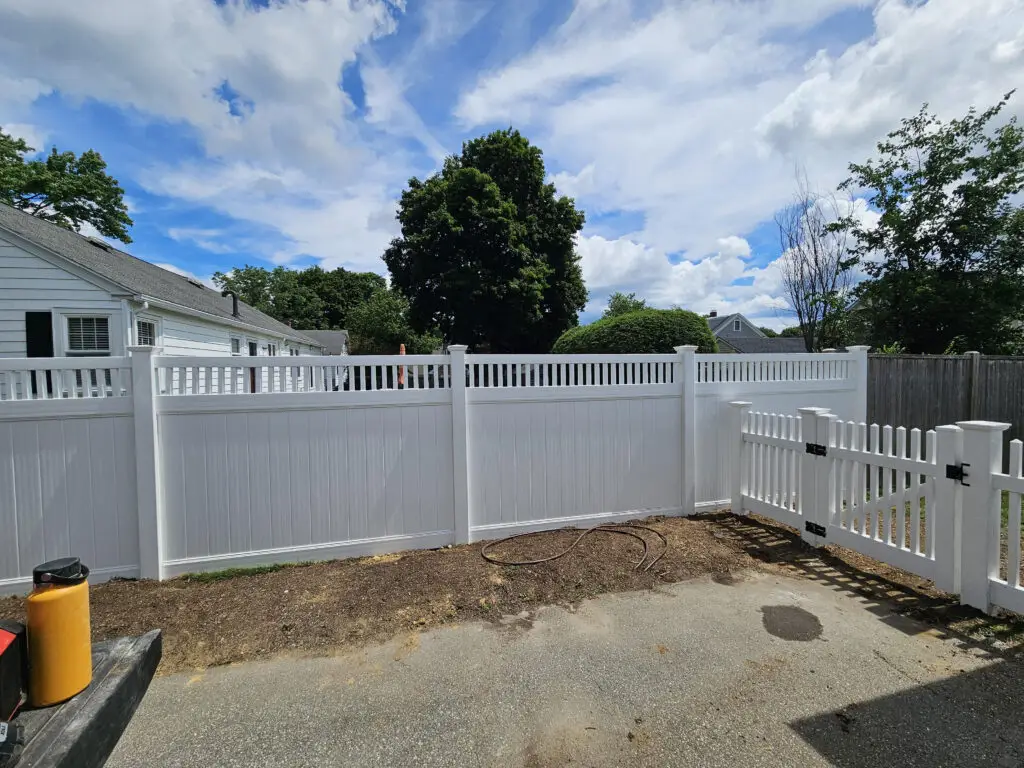
Why Install A Pool Fence In Fall?
Autumn stands out as the strongest season for pool fence installation massachusetts homeowners can schedule, offering firmer ground and faster scheduling than warmer months. Massachusetts pool owners who wait until spring often lose valuable planning time and face tighter contractor calendars. Choosing to install pool fence in fall gives properties from the Berkshires to Cape Cod a practical head start before next season’s swim schedule begins.
Cooler autumn temperatures matter more than most homeowners realize. Summer heat causes soil to expand, making post holes harder to dig and less stable once filled. Fall soil across Massachusetts stays firm and workable, which allows posts to set more securely and resist shifting through winter freeze cycles.
Is Fall Really Better Than Spring For Pool Fence Projects?
Spring and summer remain the busiest months for fence contractors statewide, which usually means longer wait times for homeowners. Massachusetts families who schedule pool fence installation in fall often avoid that seasonal backlog entirely. Securing a project slot before winter also means the fence stands ready the moment pool season reopens.
Fall scheduling offers several practical advantages for Massachusetts pool owners:
Firmer soil conditions support more secure post-setting
Fewer competing projects mean faster contractor availability
Completed fencing stands ready before spring pool openings
Avoids the spring rush that delays many installation requests
Olympic Fence Co. responds to new fall inquiries, helping Massachusetts homeowners lock in installation dates before the busy spring season fills contractor schedules statewide.
Which Pool Fence Materials Hold Up Best?
Aluminum and steel-reinforced systems outperform traditional wood posts across Massachusetts pool properties, particularly in coastal towns where humidity and salt air accelerate decay. Ornamental aluminum pool fencing panels resist corrosion, hold their finish, and require minimal upkeep year after year. Steel-reinforced designs push durability even further by addressing the one weak point that sinks most wood installations: the post.
Massachusetts pool owners face a specific threat that warmer climates do not: ground-line rot. Traditional wood posts sit in soil that freezes, thaws, and refreezes each winter, trapping moisture against the base of the post. Over several seasons, that cycle weakens the wood exactly where structural support matters most.
Why Does Post Material Matter So Much for Pool Fences?
The post, not the panel, determines whether a fence survives New England winters. A quality wood-on-steel post system pairs the traditional look of wood with a steel core that resists the ground rot ending most wood-post fences prematurely. Olympic Fence Co. builds its pool fence installation Massachusetts projects on this system, alongside vinyl fencing, cedar, chain link fencing, and ornamental aluminum and steel options.
Steel posts hold up through harsh winters, coastal humidity, and salt exposure, conditions common around Massachusetts lakes, ponds, and shoreline properties. That resistance translates into decades of strong performance instead of the gradual leaning and cracking homeowners see with untreated wood.
Homeowners who want full privacy around the pool often pick vinyl fencing, which will not rot, rust or need paint.
Material comparison for Massachusetts pool fencing:
Material | Ground Durability | Maintenance | Best For |
|---|---|---|---|
Aluminum | High, corrosion-resistant | Low | Coastal and inland pools |
Wood-on-steel post system | High, resists rot at grade | Moderate | Classic look with long-term strength |
Standard wood | Low in freeze-thaw soil | High | Budget-limited, short-term use |
Residential pool owners benefit from the same engineering standards Olympic Fence Co. applies across its residential, commercial, and municipal fencing work, giving backyard pools the same post-level durability used on larger regional projects.
What Does Pool Fence Installation Cost?
Pool fence cost in Massachusetts depends on material choice, fence length, and site conditions around the pool. Vinyl and wood remain the two most compared materials for backyard and pool enclosures across the state. Homeowners planning a pool fence installation massachusetts project benefit from understanding how these material costs diverge before committing to a design.
Material selection drives the biggest swing in project cost. Vinyl fencing panels typically carry a higher upfront price than wood. Wood often requires more frequent maintenance and refinishing over time. An aluminum pool fence introduces a third option, favored for its resistance to moisture and its clean, uniform look around pool decks. Each material affects long-term ownership cost differently, not just the initial installation invoice.
How does experience affect pool fence pricing?
Contractors with decades of regional installation history price projects with fewer surprises. Olympic Fence Co. brings more than 40 years of experience to pool fence installation planning across Massachusetts properties, which translates into more accurate estimates for materials, labor, and site-specific challenges like ledge or drainage issues.
Does warranty coverage affect the real cost of a pool fence?
Olympic Fence Co. backs installations with a lifetime workmanship warranty, a distinction that shifts long-term value heavily in the homeowner’s favor.
Key cost factors to weigh before budgeting:
Fence material: vinyl, wood, or aluminum
Total linear footage around the pool perimeter
Gate hardware and self-closing latch requirements
Site prep, including grading or obstacle removal
Warranty terms backing the installation
Who Should Install Your Pool Fence?
Licensed contractors with direct experience in pool fence installation massachusetts regulations should handle the work, not general handymen. Massachusetts pool owners face a layered approval process that mixes state code with local zoning. A missed step costs time and money. Many homeowners begin the planning process focused entirely on fence style and material selection. Permit requirements tend to surface only after the design decisions are already made, which can stall a project at the worst possible moment.
Choosing a trusted installer makes the difference. Experienced contractors not only ensure a smooth process but also help navigate the complexities of local permitting and zoning regulations.
As one Google reviewer said: “They were able to fit our job into their schedule even quicker than estimated. The fence looks great, we will definitely use them again!”
That sequencing problem is where qualified contractors earn their value. A fencing company familiar with Massachusetts towns manages permit applications. Conservation-overlay questions before installation begins, not after a rejected inspection. This matters most for properties near wetlands, flood zones, or historic districts. Overlay districts add extra review steps beyond standard pool fence requirements.
Does the Installer Need to Be Licensed and Insured?
Yes. Any contractor performing pool safety fence installation in Massachusetts should carry both a license and liability insurance. Olympic Fence Co. is licensed and insured for every project it undertakes, protecting homeowners from liability if a crew member is injured or property is damaged during installation.
How Long Has the Contractor Been Doing This Work?
Longevity signals reliability in an industry where fly-by-night installers are common. Olympic Fence Co. has operated since 1985, serving Massachusetts families across two generations of ownership. That track record matters when evaluating who will stand behind the fence years after installation, especially for pool enclosures that must perform season after season.
Homeowners comparing contractors should ask three questions:
Does the company handle local permitting directly?
Can the installer document current licensing and insurance?
How long has the business operated in Massachusetts?
FAQ
Why is fall a good time for pool fence installation in Massachusetts?
Cooler temperatures keep soil firm and workable, allowing posts to set securely before winter freeze cycles. Lighter contractor schedules in fall also mean faster project completion compared to busy spring and summer months.
Does Massachusetts require a fence around residential pools?
Yes, Massachusetts General Laws Chapter 49 mandates a barrier around every residential pool as a legal requirement, not a suggestion. Local cities and towns add their own zoning bylaws on top of this statewide baseline.
What should homeowners check before finalizing pool fence height and design?
Height and construction standards vary by municipality since local bylaws build on the state’s Chapter 49 baseline rules. Homeowners should confirm specific requirements with their town before installation begins.
Conclusion
In closing, fall pool fence installation in Massachusetts represents a strategic opportunity to complete your safety infrastructure during the off-season, when scheduling flexibility and contractor availability align favorably with your project timeline. The reduced demand, milder weather conditions, and expedited installation process deliver measurable advantages over spring and summer installation periods. Securing your pool perimeter before winter weather arrives ensures compliance with safety regulations, protects your investment year-round, positioning your property for the upcoming season with confidence and durability.