Best Practices for Chain Link Fence Maintenance and Longevity
Installing a durable chain link fence is a crucial step for enhancing security around residential and commercial properties. This type of fencing is not only cost-effective but also provides a robust barrier against intruders. In this article, we will explore the installation techniques, maintenance tips, and cost insights associated with chain link fences. Additionally, we will discuss the benefits of using galvanized chain link fences, how galvanized steel enhances durability, and the security advantages of mesh fencing. By the end, you will have a comprehensive understanding of how to effectively install and maintain a chain link fence for optimal security.
Installation Techniques
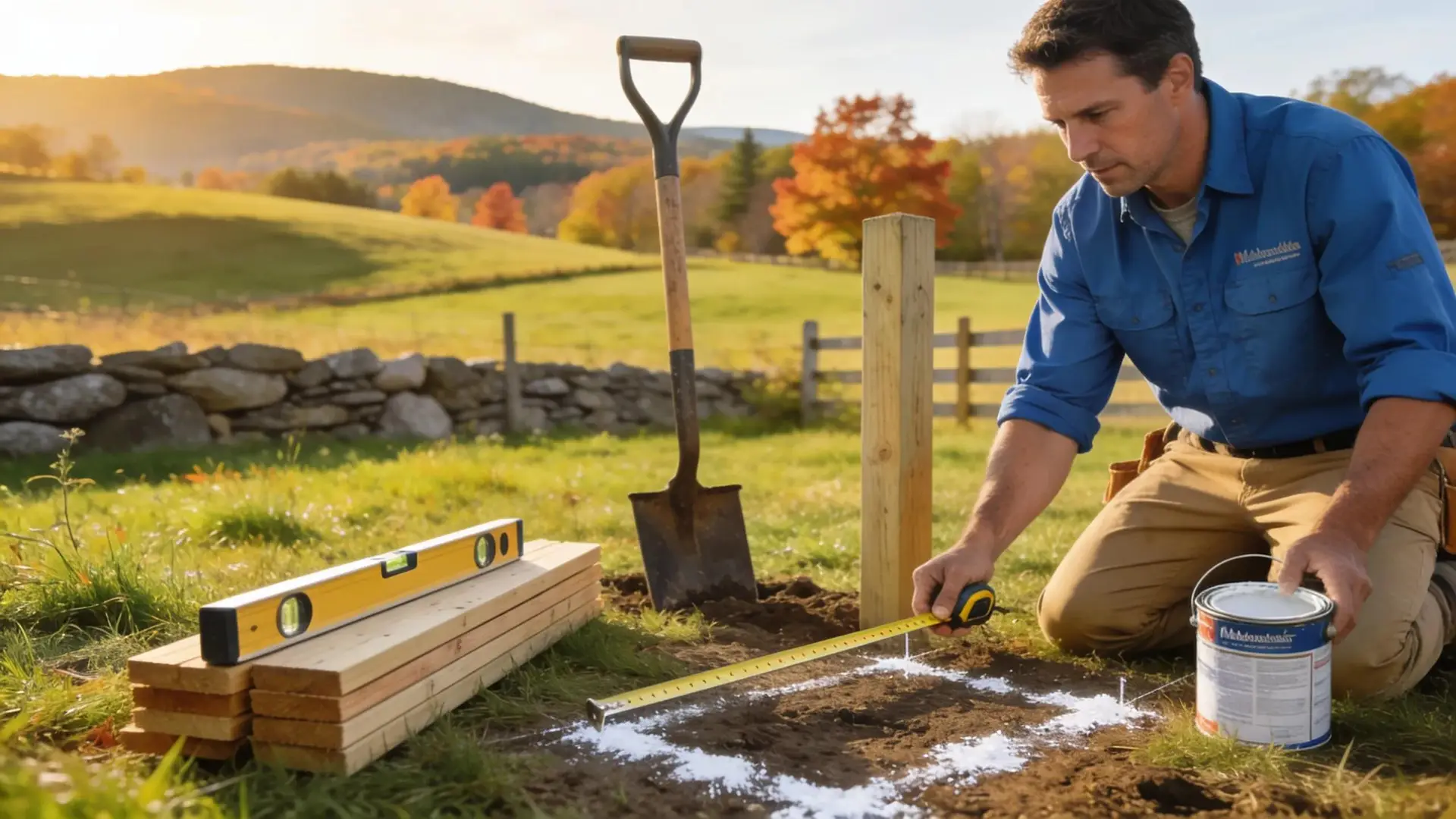
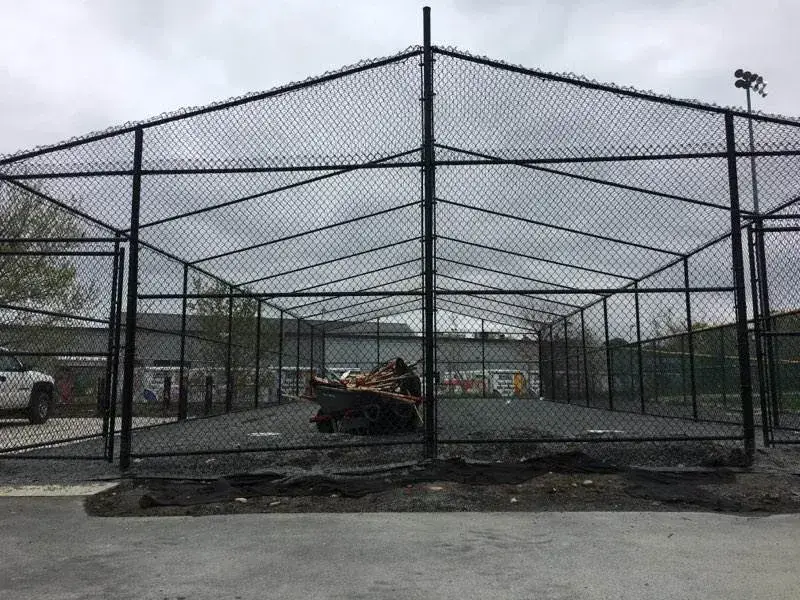
Installing a durable chain link fence involves several key steps to ensure its effectiveness and longevity. Proper site preparation is essential, which includes clearing the area of debris and marking the fence line. Once the site is ready, the next step is to install the fence posts securely in the ground, typically using concrete for added stability. After the posts are set, the chain link fabric is attached, ensuring it is taut and properly aligned. This method not only enhances the fence’s appearance but also its functionality in providing security.
A comprehensive understanding of the installation process, from site preparation to final touches, is crucial for ensuring the fence’s effectiveness and longevity.
Wire Mesh Fence Installation: Step-by-Step Guide & Techniques
The aim of this report is to obtain a comprehensive understanding on how the method of wire mesh fence installation for outdoor futsal court project was undertaken. To achieve the aim as mentioned above, there were three objectives involved such as to explain the method of the fence installation, to determine the machinery and tools needed and to identify the problem occurred as well as its solutions to solve the problem. Thus, three (3) research methods were carried out such as observation, unstructured interview and document review the findings revealed that there were eight (8) methods need to take into consideration consists of site clearance, setting up steel posts, formworks installation, poured the concrete, plastering works, installing the welded wire mesh fences, painting works as well as site cleaning.
Demonstration and Validation of Materials for Corrosion-Resistant Fencing and Guard Railings in Aggressive Climates
Site Preparation Steps
- Clear the Area: Remove any obstacles such as rocks, plants, or debris from the intended fence line.
- Mark the Fence Line: Use stakes and string to outline where the fence will be installed, ensuring a straight and accurate placement.
- Check Local Regulations: Verify any local zoning laws or regulations regarding fence height and placement.
Post Installation Methods
- Digging Holes: Use a post hole digger to create holes for the fence posts, typically 2-3 feet deep depending on the fence height.
- Setting Posts: Place the posts in the holes and fill with concrete to secure them in place, allowing for proper curing time.
- Aligning Posts: Ensure all posts are vertically aligned before the concrete sets to maintain a straight fence line.
Attaching Fabric Techniques
- Unroll the Chain Link Fabric: Lay out the chain link fabric along the fence line, ensuring it is free of tangles.
- Attach to Posts: Use tension bands and tie wires to secure the fabric to the posts, ensuring it is taut and evenly distributed.
- Finish with Tension Wire: Install a tension wire at the bottom of the fabric to prevent sagging and enhance stability.
Maintenance Tips
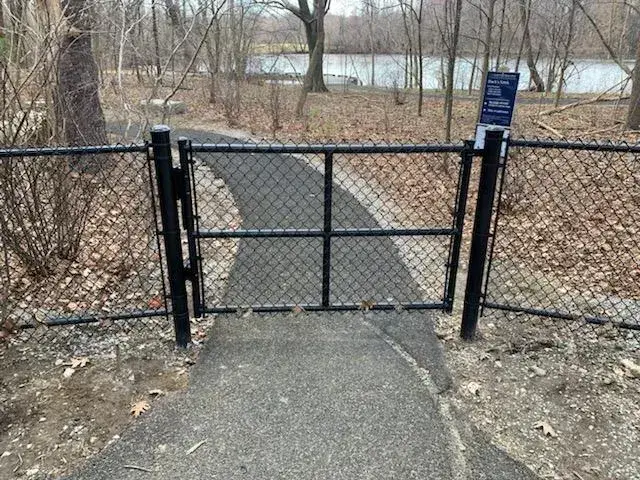
Maintaining a chain link fence is essential for ensuring its longevity and effectiveness in providing security. Regular inspections and proactive repairs can prevent minor issues from becoming major problems. Here are some key maintenance tips to keep your fence in top condition.
- Regular Inspections: Check the fence periodically for any signs of wear, rust, or damage. Addressing these issues early can extend the life of the fence.
- Debris Clearance: Keep the area around the fence clear of debris, plants, and other materials that could cause damage or obstruct visibility.
- Proactive Repairs: If you notice any loose or damaged sections, repair them promptly to maintain the fence’s integrity and security.
Cost Insights
Understanding the costs associated with chain link fence installation is crucial for budgeting and planning. Several factors influence the overall price, including material choices, installation complexity, and regional pricing variations.
Factors Influencing Cost
- Material Costs: The type of chain link fabric, such as galvanized or vinyl-coated, can significantly affect the price.
- Installation Complexity: The terrain and any obstacles can increase labor costs due to the additional work required.
- Permit Requirements: Some areas may require permits for fence installation, which can add to the overall cost.
Material Choices
Different materials offer varying levels of durability and cost. For instance, galvanized chain link fences are known for their corrosion resistance and longevity, making them a popular choice for security applications. Vinyl-coated options provide additional aesthetic appeal and protection against the elements.
Further research highlights the challenges standard galvanized steel faces in harsh environments and explores various advanced materials for enhanced corrosion resistance and long-term value.
Corrosion-Resistant Chain Link Fencing: Materials & Cost Justification
Standard galvanized steel chain-link fencing, including products coated with polyvinyl chloride PVC, can severely corrode in as little as 5 years in coastal locations where the atmosphere is warm, humid, and infused with chlorides. This problem affects fencing needed to secure military equipment, supplies, and buildings. This report describes a study that assessed several alternative corrosion-resistant materials for fencing and railings using atmospheric exposure coupons and full-scale installations. Tested materials included fuse-bonded PVC, galvanized steel, stainless steel, aluminized steel, a proprietary material called Galfan , aluminum alloys, and fiber-reinforced polymer FRP composites. The report provides cost justification for using specified corrosion-resistant fencing and railing materials that have a higher first cost than standard materials.
Demonstration and Validation of Materials for Corrosion-Resistant Fencing and Guard Railings in Aggressive Climates
Typical Cost Ranges and Pricing Examples
| Material Type | Estimated Cost per Linear Foot | Durability | Aesthetic Appeal |
|---|---|---|---|
| Galvanized Chain Link | $18 – $25 +/- | High | Moderate |
| Vinyl-Coated Chain Link | $15 – $30 +/- | High | High |
| Chain Link with Privacy Slats | $20 – $40 +/- | Moderate | High |
This table illustrates the cost differences between various chain link fence materials, helping you make an informed decision based on your budget and security needs.
Note: Prices can vary depending on the scope of work, site conditions, and specific project requirements.
What Are the Key Benefits of Galvanized Chain Link Fences for Security?
Galvanized chain link fences offer several key benefits that make them an excellent choice for security. Their durability, corrosion resistance, and cost-effectiveness are significant advantages.
- Durability: Galvanized steel is coated with zinc, which protects it from rust and extends its lifespan.
- Corrosion Resistance: The zinc coating prevents corrosion, making it suitable for various weather conditions.
- Cost-Effectiveness: Compared to other fencing options, galvanized chain link fences are often more affordable while still providing robust security.
How Does Galvanized Steel Enhance Fence Durability?
Galvanized steel enhances the durability of chain link fences through its protective zinc coating. This coating acts as a barrier against moisture and environmental elements, significantly reducing the risk of rust and deterioration. As a result, galvanized fences can withstand harsh weather conditions and maintain their structural integrity over time.
What Security Advantages Does Mesh Fencing Provide?
Mesh fencing, including chain link options, offers several security advantages that make it a preferred choice for both residential and commercial properties.
- Durability Against Elements: Mesh fencing is designed to withstand various weather conditions, ensuring long-lasting performance.
- Visibility and Monitoring: The open design of mesh fencing allows for visibility, making it easier to monitor the area for potential intruders.
- Customizability: Mesh fencing can be customized with additional features such as barbed wire or privacy slats to enhance security further. Learn more about privacy fencing options.
How Is a Durable Chain Link Fence Professionally Installed?
Professional installation of a chain link fence ensures that it is done correctly and efficiently. Certified installation contractors have the expertise and tools necessary to complete the job to high standards. For trusted installation services, visit our services page.
Necessary Tools
- Post Hole Digger: For digging holes for the fence posts.
- Concrete Mixer: To mix and pour concrete for securing posts.
- Tension Wrench: For tightening the chain link fabric to ensure it is taut.
Step-by-Step Procedures
- Site Assessment: Professionals assess the site to determine the best placement and any potential obstacles.
- Post Installation: Posts are installed securely, ensuring they are level and properly spaced.
- Fabric Attachment: The chain link fabric is attached using tension bands and tie wires, ensuring a secure fit.
Best Practices
- Follow Local Codes: Ensure that the installation complies with local building codes and regulations.
- Use Quality Materials: Invest in high-quality materials to ensure the longevity and effectiveness of the fence.
- Regular Maintenance: Schedule regular inspections and maintenance to keep the fence in optimal condition. For maintenance tips, see our fence repair resources.
What Are the Essential Steps in Chain Link Fence Installation?
Installing a chain link fence involves several essential steps to ensure its effectiveness and durability.
- Planning and Design: Determine the fence layout and obtain any necessary permits.
- Site Preparation: Clear the area and mark the fence line.
- Post Installation: Set the posts in concrete for stability.
- Fabric Attachment: Attach the chain link fabric securely to the posts.
Why Should You Hire Certified Installation Contractors?
Hiring certified installation contractors for your chain link fence installation offers several benefits that can enhance the overall quality and longevity of the fence.
- Benefits of Certification: Certified contractors have undergone training and possess the necessary skills to ensure proper installation.
- Risks of Unqualified Installation: Poor installation can lead to structural issues and reduced security, making it essential to hire professionals.
- Examples of Successful Installations: Many certified contractors have a portfolio of successful installations, providing peace of mind to homeowners. Contact us to learn more at our contact page.
What Factors Influence Chain Link Fence Pricing for Residential Security?
Several factors influence the pricing of chain link fences for residential security, including material choices, installation complexity, and regional pricing variations. For detailed pricing in Massachusetts, see our chain link fence cost guide.
- Material Costs: The type of chain link fabric and additional features can significantly affect the overall price.
- Installation Complexity: The terrain and any obstacles can increase labor costs due to the additional work required.
- Regional Pricing Variations: Prices may vary based on location and local market conditions. We serve areas including Newburyport, Salisbury, and Haverhill.
How Do Material Types and Coatings Affect Installation Costs?
The type of material and coatings used for chain link fences can impact installation costs significantly.
- Material Types: Galvanized and vinyl-coated options have different price points, with vinyl-coated typically being more expensive due to its aesthetic appeal and additional protective features.
- Wire Gauge: Thicker wire gauges provide more durability but may also increase costs.
- Long-Term Value: Investing in higher-quality materials can lead to lower maintenance costs and longer lifespan.
Indeed, studies have shown that while vinyl-clad galvanized fencing may have a slightly higher initial cost, its superior corrosion resistance and extended service life offer significant long-term economic benefits.
Vinyl-Clad Galvanized Chain Link: Superior Corrosion Resistance & Value
Fifteen different corrosion-resistant chain- link fencing systems were installed to evaluate their performance in a marine- atmospheric environment. These included metallic, plastic coated, and alloy wire fencing. The evaluation indicates that the vinyl-clad galvanized chain-link fence and accessories are performing better than other corrosion- resistance chain-link fence being investigated. Although cost of the vinyl- clad fencing was slightly more 11 than the galvanized chain-link fence, the extra cost of the vinyl-clad fencing appears economically well justified because of its outstanding corrosion resistance, longer service life, and other benefits provided by the vinyl coating.
Field Study of Fencing Materials in a Marine-Atmospheric Environment-Results of Up to Three Years of Atmospheric Exposure and Corrosion Rate Determination, 1972
How Can You Maintain and Extend the Longevity of Your Security Fence?
Maintaining your chain link fence is essential for ensuring its longevity and effectiveness in providing security. Regular inspections and proactive repairs can prevent minor issues from becoming major problems.
- Regular Inspections: Check the fence periodically for any signs of wear, rust, or damage. Addressing these issues early can extend the life of the fence.
- Prompt Repairs: If you notice any loose or damaged sections, repair them promptly to maintain the fence’s integrity and security.
- Cleaning: Regularly clean the fence to remove dirt and debris that can cause corrosion over time.
What Are Best Practices for Fence Maintenance and Inspection?
Implementing best practices for fence maintenance and inspection can help ensure your chain link fence remains in optimal condition.
- Schedule Regular Inspections: Set a schedule for inspecting the fence at least twice a year.
- Address Damage Promptly: Repair any damage as soon as it is noticed to prevent further deterioration.
- Keep the Area Clear: Ensure that the area around the fence is free of debris and vegetation that could cause damage.
How Do Recent Innovations Improve Fence Durability?
Recent innovations in fencing materials and technologies have significantly improved the durability of chain link fences.
- Innovations in Materials: New coatings and treatments enhance resistance to rust and corrosion. Explore more about different fence materials.
- Coating Technologies: Advanced coating technologies provide better protection against the elements, extending the lifespan of the fence.
- Maintenance Practices: Improved maintenance practices, such as regular inspections and proactive repairs, contribute to the overall durability of chain link fences.
Ready to Secure Your Property with a Durable Chain Link Fence?
Contact our certified professionals today to get expert installation and maintenance services tailored to your needs. We serve residential and commercial clients in Essex County and surrounding areas.