
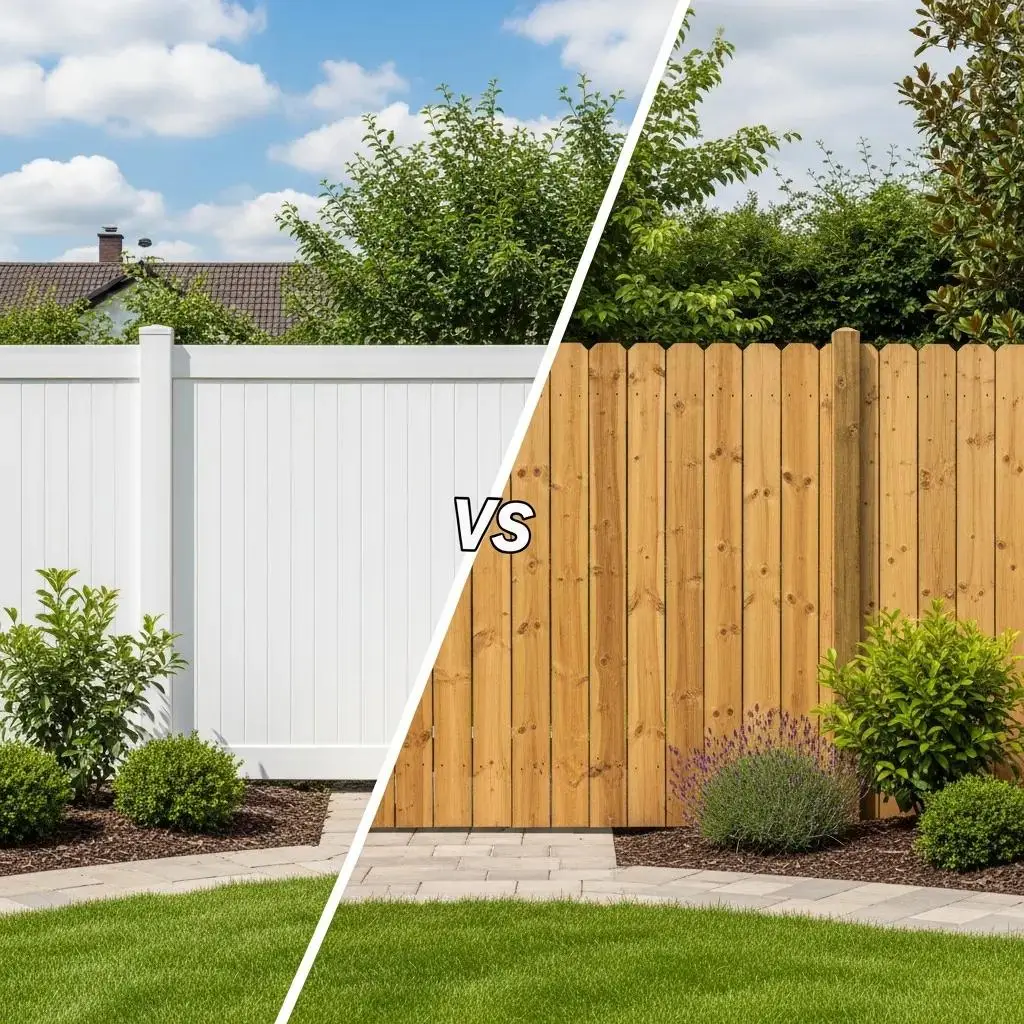
When considering fencing options for your property, understanding the cost differences between vinyl and wood fences is crucial for homeowners in Massachusetts. This guide will provide a comprehensive comparison of the costs, maintenance, and durability of both materials, helping you make an informed decision. With the right information, you can choose a fence that not only fits your budget but also meets your aesthetic and functional needs. This article will explore the key differences between vinyl and wood fences, their installation costs, and the factors that influence these costs in Massachusetts. Additionally, we will discuss local regulations and why choosing a reputable company like Olympic Fence can enhance your fencing project.
Comparing Vinyl and Wood Fencing: Key Differences for Massachusetts
The key differences between vinyl and wood fences in Massachusetts include:
- Maintenance:Wood fences require routine staining or sealing every 2–3 years to prevent decay and insect damage.Vinyl fences are lower maintenance, typically needing only occasional washing and inspection after severe weather for cracks or loose hardware.
- Longevity and Weather Impact:Wood can rot or shift with moisture due to Massachusetts’ weather conditions (cold winters, humid summers).Vinyl may become brittle in extreme cold if not properly specified. Proper installation can mitigate these issues for both materials.
- Aesthetic and Customization:Wood offers custom finishes and a natural look.Vinyl provides a low upkeep option with long-lasting performance.
Choosing between them depends on priorities such as initial cost, upkeep, desired aesthetic, and maintenance commitment.
How Does Massachusetts Climate Affect Vinyl and Wood Fence Durability?
The climate in Massachusetts, characterized by cold winters and humid summers, affects the durability of both vinyl and wood fences. Wood can rot or shift due to moisture, while vinyl may become brittle in extreme cold if not properly specified. Proper installation techniques, such as elevated rails for wood and reinforced posts for vinyl, can help mitigate these issues and extend the longevity of both materials.
What Are the Popular Styles and Customization Options for Vinyl and Wood Fences?
For vinyl fences, the advantages include low maintenance, consistent aesthetics, and resistance to rot/insects, but they have limited color/finish choices. For wood fences, cedar and pressure-treated wood are popular options, with cedar typically costing between $25–$45 per linear foot and pressure-treated wood between $18–$35 per linear foot. Wood requires regular maintenance, such as staining and sealing. Customization options for wood may be broader in terms of aesthetics compared to vinyl, which is more limited in color and finish.
How Much Does Vinyl Fence Installation Cost in Massachusetts?
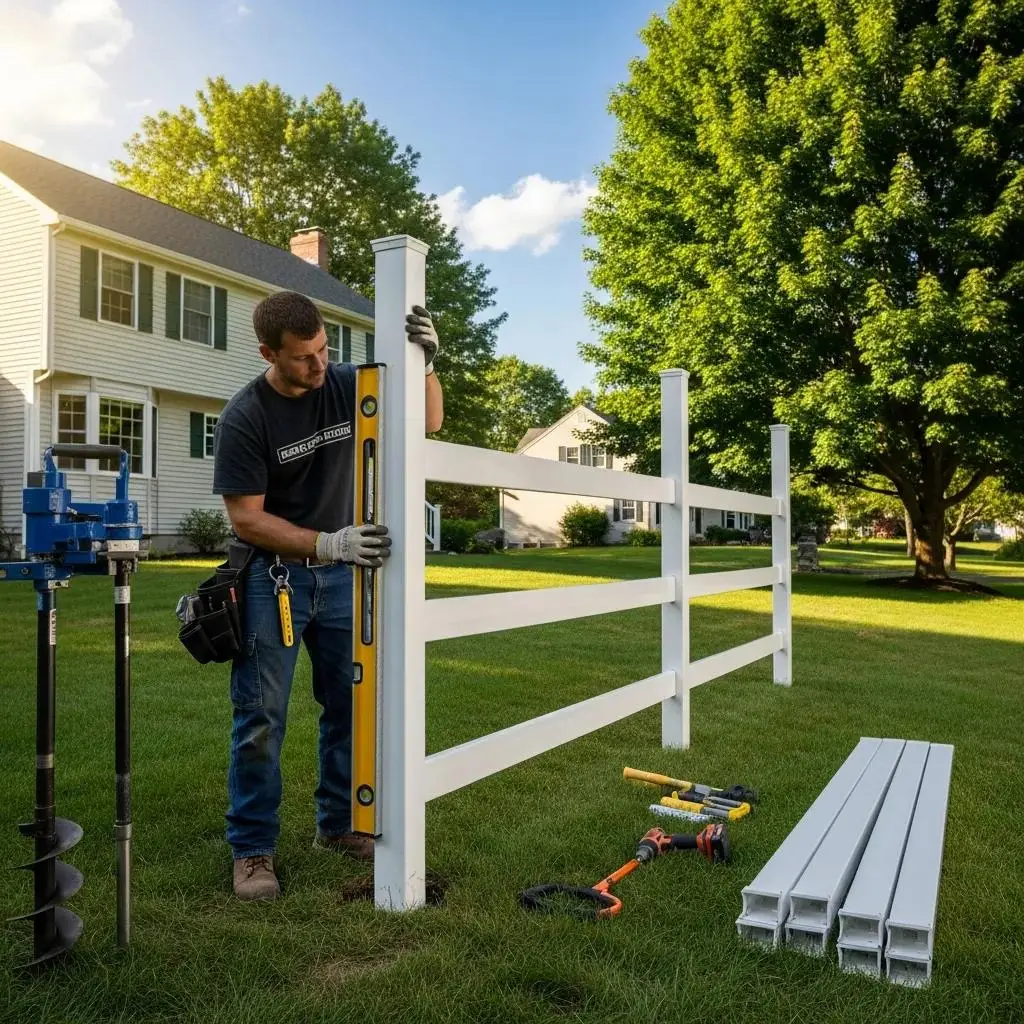
Vinyl fence installation costs in Massachusetts typically range from $40 to $70 per linear foot. Understanding the factors that influence these costs can help homeowners budget effectively.
What Factors Influence Vinyl Fence Cost in Massachusetts?
Factors that influence vinyl fence cost in Massachusetts include:
- Initial Cost: Vinyl fences typically range from $40 to $70 per linear foot.
- Maintenance Costs: Estimated 10-year maintenance costs for vinyl are between $100 and $400, which is lower compared to wood.
- Lifespan: Vinyl fences have a typical lifespan of 20 to 30 years with proper installation, which can affect long-term cost considerations.
- Installation Quality: Proper installation, such as using reinforced posts, can mitigate issues like expansion and contraction due to weather.
- Local Permit Requirements: Municipal rules regarding height, setbacks, and sight lines can impact overall project costs, including permit fees and approval timelines.
- Weather Conditions: New England’s weather can affect the durability and performance of vinyl, influencing the choice and cost of materials.
These factors collectively contribute to the overall cost of vinyl fencing in the region.
What Are the Maintenance Requirements and Lifespan of Vinyl Fences in New England?
Vinyl fences in New England are lower maintenance compared to wood fences, typically requiring only occasional washing and inspection after severe weather for cracks or loose hardware. The lifespan of vinyl fences can be extended with proper installation, which includes reinforced posts and correct spacing. However, extreme cold can make vinyl brittle if it is underspecified. Overall, vinyl provides long-lasting performance with minimal upkeep.
How Much Does Wood Fence Installation Cost in Massachusetts?
In Massachusetts, wood fence installation costs typically range from $25 to $45 per linear foot for cedar privacy fences and $18 to $35 per linear foot for pressure-treated wood picket/privacy fences.
What Are the Cost Differences Among Cedar, Pressure-Treated, and Wood-on-Steel Fences?
Cedar privacy fences typically cost $25–$45 per linear foot, while pressure-treated wood picket/privacy fences cost $18–$35 per linear foot. Wood-on-steel fence systems are less common and can cost significantly more, often starting around $50 to $70 per linear foot depending on design and materials.
How Does Maintenance Affect Wood Fence Longevity and Cost in Massachusetts?

Maintenance significantly affects the longevity and cost of wood fences in Massachusetts. Wood fences require routine staining or sealing every 2–3 years to prevent decay and insect damage, which adds to the overall maintenance cost. In contrast, vinyl fences are lower maintenance, needing only occasional washing. Additionally, Massachusetts weather, characterized by cold winters and humid summers, can impact wood fences, causing them to rot or shift with moisture. Proper installation techniques can help mitigate these issues and extend the lifespan of wood fences. Therefore, regular maintenance is crucial for maximizing the longevity of wood fences and managing associated costs.
The inherent quality and durability of wood, influenced by its origin and environmental factors, are critical considerations for its long-term performance.
Wood Quality and Durability Factors
was stronger, more durable, and more easily worked with tools than wood from the same species grown in other locations. Modern wood quality research has substantiated that location
Raymond A. Young, 1992
What Is the Head-to-Head Cost and Value Comparison of Vinyl vs Wood Fences for Massachusetts Homeowners?
The head-to-head cost comparison for vinyl vs wood fences in Massachusetts indicates that wood fences typically have lower initial costs but higher long-term expenses due to maintenance needs. For example, cedar privacy fences cost between $25–$45 per linear foot, while pressure-treated wood fences range from $18–$35 per linear foot. Vinyl fencing costs typically range from $40 to $70 per linear foot. Ongoing maintenance for wood, such as staining, is essential due to New England weather, which can increase lifetime expenses.
Further analysis of the long-term economic and environmental impacts often involves detailed life cycle assessments, providing a deeper understanding of material sustainability.
Economic & Environmental Life Cycle Costs of Wood vs. Vinyl
Using the tools provides by the scientific community, namely the products of lifecycle cost assessments (LCA) – which are synthesized in environmental product declarations (EPD) – and life cycle cost assessments (LCCA), the overall environmental and economic impacts of historic, traditional, and simulated materials are established and compared. This informs the historic preservation community of the quantifiable sustainability of historic materials in relation to alternatives.
… by Another Name: A Comparative Analysis of the Environmental and Economic Costs of Traditional Wood Clapboards, Composite Fiber-Cement Siding, and Vinyl …, 2022
How Do Upfront and Long-Term Costs Compare Between Vinyl and Wood Fences?
Vinyl fences have a higher upfront cost, ranging from $40 to $70 per linear foot, compared to wood fences, which can cost between $18 to $45 per linear foot. However, vinyl has significantly lower maintenance costs over ten years, estimated at $100 to $400, while wood maintenance can range from $800 to $2,500. Vinyl typically lasts 20 to 30 years with proper installation, whereas wood lasts 8 to 20 years depending on the type and maintenance. Overall, wood is cheaper initially but requires more ongoing expenses, while vinyl costs more upfront but has fewer long-term costs.
Which Fence Type Offers Better Durability and Maintenance Benefits in Massachusetts?
Vinyl fences offer better durability and maintenance benefits in Massachusetts. They are lower maintenance, typically requiring only occasional washing, while wood fences need routine staining or sealing every 2–3 years to prevent decay and insect damage. Additionally, vinyl provides long-lasting performance compared to wood, which can rot or shift with moisture.
What Local Factors Affect Fence Installation Costs and Regulations in Massachusetts?
Local factors that affect fence installation costs and regulations in Massachusetts include:
- Height Limits and Regulations: These vary by town, with many municipalities requiring permits for fences above certain heights or in front yards. Historic districts may have stricter rules.
- Weather Conditions: Massachusetts weather, characterized by cold winters and humid summers, impacts the longevity and maintenance of different fence materials, which can influence installation choices and costs.
- Local Zoning Office: It’s important to check with the local zoning office before installation to avoid fines or modifications related to permits and regulations.
These factors can significantly influence both the cost and the regulatory requirements for fence installation in the state.
How Do Site Conditions and Property Size Influence Fence Project Costs?
Site conditions and property size influence fence project costs through factors such as local permit fees, design restrictions, and the complexity of installation. Permit fees can vary by town, and approval timelines can range from one to six weeks, which can affect overall costs. Additionally, the size of the property may impact the amount of materials needed and the labor required for installation. Environmental conditions and performance requirements also play a role in determining the most cost-effective fencing options.
What Are the Permit Requirements and HOA Guidelines for Fences in Massachusetts Towns?
In Massachusetts, permit requirements and HOA guidelines for fences vary by town. Many municipalities require permits for fences above certain heights or those located in front yards. Historic districts may have stricter regulations. It is advisable to check with your local zoning office before installation to avoid fines or modifications.
Why Choose Olympic Fence for Your Vinyl or Wood Fence Installation in Massachusetts?
You should choose Olympic Fence for your vinyl or wood fence installation in Massachusetts because they have nearly 40 years of experience delivering quality fencing solutions that protect, enhance, and stand the test of time. They offer personalized consultations and free estimates, ensuring that you receive a detailed quote based on your unique project requirements and site conditions. Additionally, they provide services across various locations in the North Shore area.
What Makes Olympic Fence’s Wood-on-Steel System Unique for Wood Fence Durability?
The unique aspect of Olympic Fence’s wood-on-steel system for wood fence durability lies in their expertise in this hybrid approach, which combines the aesthetic and customization benefits of wood with the structural strength and longevity of steel. This system addresses homeowner concerns about longevity and build quality, as they provide a lifetime workmanship warranty and ensure proper anchoring, alignment, and connection.
How Does Olympic Fence’s Lifetime Workmanship Warranty and Local Experience Benefit You?
Olympic Fence’s lifetime workmanship warranty benefits you by guaranteeing the quality of their installation, covering issues related to anchoring, alignment, and connections. This warranty addresses homeowner concerns about the longevity of the fence. Additionally, their local experience simplifies the permit process, ensuring accurate documentation and reducing approval times, which can typically take one to six weeks. This combination of warranty and local expertise provides peace of mind and efficiency in the fence installation process.
Massachusetts 2026 Vinyl vs Wood Fence Cost Comparison Table
| Category | Vinyl Fence | Wood Fence (Cedar & Pressure-Treated Average) |
|---|---|---|
| Material & Installation Cost Per Linear Foot | $40 – $70 | $18 – $45 |
| Upfront Cost for Standard Yard (150-200 LF) | $6,000 – $14,000 | $2,700 – $9,000 |
| Lifespan in New England / MA Climate | 20 – 30 years (with proper installation) | 8 – 20 years (with regular maintenance) |
| Ongoing Maintenance Costs (10 Years) | $100 – $400 (power washing, minor repairs) | $800 – $2,500 (staining/sealing every 2-3 years) |
| 10-Year Total Cost of Ownership (TCO) | $6,100 – $14,400 | $3,500 – $11,500 |
| 20-Year Total Cost of Ownership (TCO) | $6,200 – $14,800 (assuming lifespan extends with maintenance) | $6,500 – $18,000 (replacement or major repairs likely needed) |
| Durability Against MA Freeze-Thaw Cycles and Coastal Humidity | Good resistance when properly installed; may become brittle in extreme cold if underspecified; low susceptibility to moisture damage | Susceptible to rot, warping & insect damage without maintenance; affected by humidity and freeze-thaw; maintenance essential |